Is it Safe to Travel to Central Asia? Essential Tips for Worry-Free Adventures
Read Time:6 Minute, 33 Second
The Silk Road. The legendary mountains of the Tien Shan. The vast, empty steppes. For many travelers, Central Asia: Kazakhstan, Kyrgyzstan, Uzbekistan, Tajikistan, and Turkmenistan, is the stuff of dreams. It is a region of epic landscapes, ancient history, and cultures shaped by centuries of nomadic life and trade.
Yet, for first-time visitors, it can also feel like a question mark. Is it safe? What are the real risks? The good news is that Central Asia is generally a very safe destination for travelers. Violent crime against tourists is rare, and the famous hospitality of the people means you are more likely to be invited for tea than to encounter trouble.
However, “safe” is a broad term. Safety isn’t just about avoiding crime; it’s about being prepared for the unique challenges of travel in this region: from unpredictable mountain roads to cultural differences. This guide offers honest, practical advice to help you travel smart and stay safe.
For travelers who prioritize comfort, reliability, and expert guidance, a well-organized trip can eliminate many of the common concerns. Is it safe to travel to Central Asia? Tips. A reputable tour operator ensures you have experienced drivers, carefully vetted accommodations, and local knowledge to navigate the region safely, allowing you to focus entirely on the adventure.
Here is everything you need to know about safety in Central Asia.
1. General Safety: The Reality
Let’s start with the big picture. Central Asia is, for the most part, safer than many popular tourist destinations in Europe or the Americas.
- Low Violent Crime: Incidents of violent crime against foreigners are extremely rare. The most common issue you might face is petty theft – pickpocketing in crowded bazaars or busy markets. Keep your valuables secure, use a money belt in crowds, and you will likely have no problems.
- The Hospitality Factor: Central Asian cultures have a deep-rooted tradition of hospitality, known as konokçul in Kyrgyz. Strangers are treated as guests, and guests are treated with honor. This cultural norm creates a remarkably welcoming environment for travelers.
2. Road Safety: The Biggest Practical Risk
If there is one area where you need to be genuinely cautious, it is road travel. This is the most significant practical safety concern in the region.
- Driving Standards: Driving can be erratic. Rules are often treated as suggestions, and speeding is common on highways.
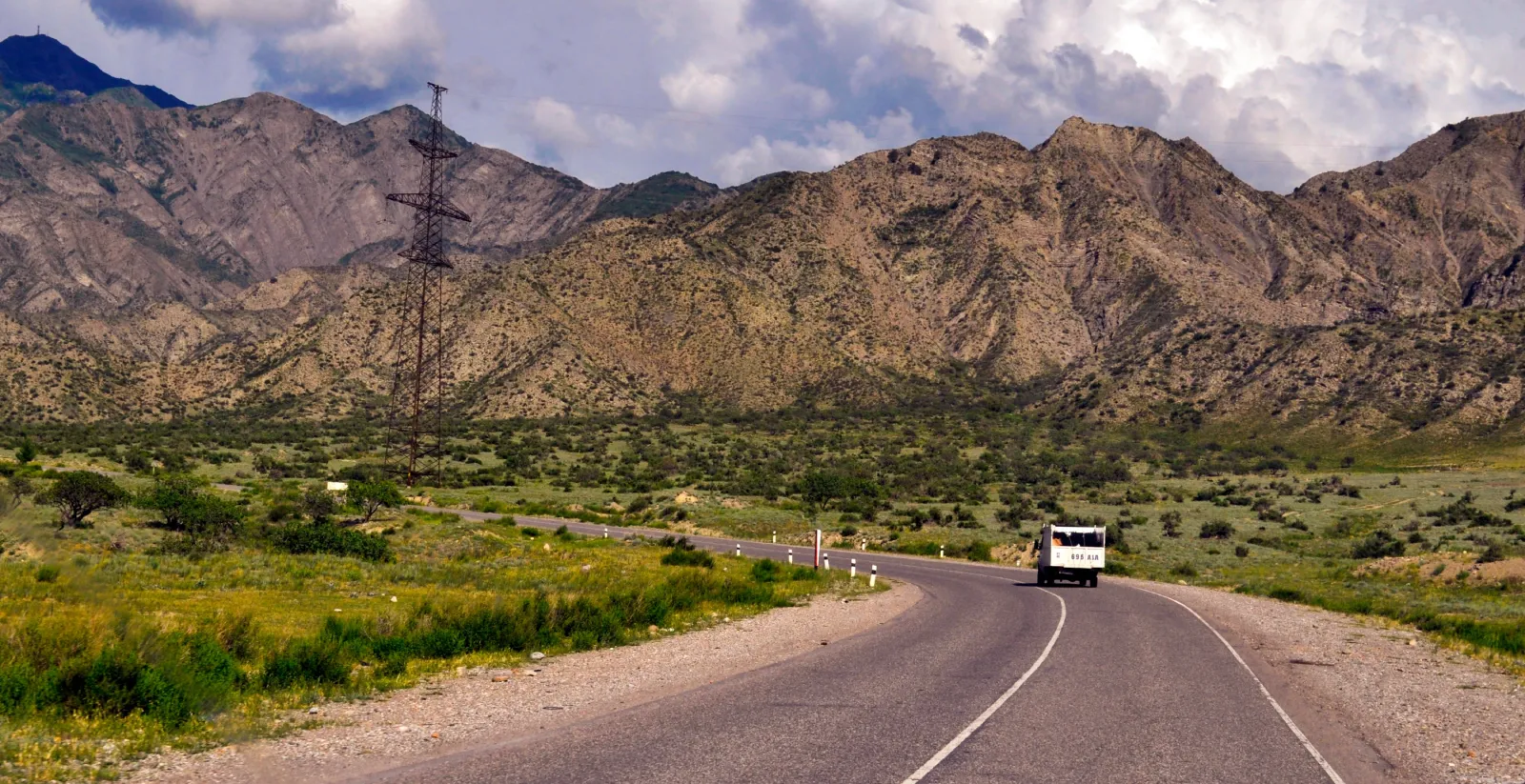
- Road Conditions: Outside of major cities, roads can be poorly maintained. Mountain passes, particularly in Kyrgyzstan and Tajikistan, can be narrow, unpaved, and prone to landslides or washouts.
- Vehicle Quality: Not all vehicles are well-maintained or equipped with modern safety features.
Smart Traveler Tip: Avoid self-driving unless you have extensive off-road and developing-world driving experience. For intercity travel, especially in mountainous areas, always choose a reputable company with experienced drivers and well-maintained vehicles. This is where organized tours provide immense value; they remove the guesswork and risk from transportation.
3. Health and Hygiene: Prepare Your Stomach
Traveler’s diarrhea is the most common ailment to affect visitors. Your gut is simply not used to the local bacteria.
- Water Safety: Drink only bottled or boiled water. Avoid ice in your drinks unless you know it was made from safe water.
- Food Safety: Be cautious with unpeeled raw vegetables and fruits. Choose busy restaurants and cafes with high turnover – the food is fresher, and the kitchen standards are likely better. Street food can be delicious, but opt for items that are cooked fresh in front of you and served hot.
- Altitude Sickness: If you are trekking in the high mountains of Kyrgyzstan or Tajikistan (above 2,500 meters), be aware of altitude sickness. Symptoms include headache, nausea, and dizziness. The only cure is to descend. Acclimatize slowly: don’t fly to 3,000 meters and start hiking immediately.
- Travel Insurance: This is absolutely non-negotiable. Ensure your policy covers medical evacuation, especially if you plan any trekking or adventure sports.
4. Navigating Borders and Remote Areas
Central Asia’s geography presents unique challenges.
- Border Crossings: Land borders can be chaotic, time-consuming, and occasionally subject to unexpected closures. Always check the current status of a border crossing before you travel. Carry multiple photocopies of your passport and visa, and have patience – crossings can take hours.
- Remote Trekking: The mountains are stunning but unforgiving. Never trek alone in remote areas. Always register with a guide service, leave your detailed itinerary with someone at home, and carry offline maps, a power bank, and a means of emergency communication like a satellite messenger (Garmin inReach or similar). The weather can change in minutes.
5. Respect Local Laws and Customs
What is normal at home might be a serious offense here. Respecting local laws is not just about politeness; it’s about your safety.
- Photography: This is crucial. Never photograph military installations, border crossings, government buildings, or strategic infrastructure (like bridges or tunnels). It can be interpreted as espionage and lead to detention, fines, or worse. Always ask permission before photographing people, especially in rural areas.
- Dress and Behavior: As discussed in our previous guide, dressing modestly, especially for women in rural areas, is a sign of respect. Public displays of affection between couples are generally frowned upon outside of trendy city nightclubs.
- Alcohol: Public drunkenness is viewed very poorly and can attract unwanted police attention. Never drink and drive – penalties are severe.
6. Scams and Petty Crime to Know
While serious crime is low, opportunistic scams exist in tourist areas.
- Taxi Scams: At airports and train stations, drivers may quote inflated prices for foreigners. Always agree on the price before you get in the vehicle. Better yet, use ride-hailing apps like Yandex Taxi, which are common in major cities and provide fixed prices.
- Money Exchange: Only use official exchange booths or banks. Avoid individuals on the street offering “better rates” – you risk receiving counterfeit currency or being short-changed.
- Fake Officials: Very rarely, someone may pose as a police officer and demand to see your wallet or passport. If approached by someone in plain clothes, politely ask to go to the official police station to sort the matter. A genuine officer will understand.
7. LGBTQ+ Traveler Safety
It is important to be honest about social attitudes. Central Asian societies are generally conservative. While homosexuality is not explicitly illegal in most of the “Stans” (unlike in some neighboring regions), public attitudes can be less tolerant.
- Discretion Advised: Public displays of affection between same-sex couples are likely to attract unwanted attention, stares, or even hostility. Discretion is strongly advised. In larger cities like Almaty or Bishkek, there are more progressive and open-minded scenes, but caution is still wise outside of known safe spaces.
8. Solo Female Traveler Tips
Solo female travel in Central Asia is common and generally safe, but it requires awareness.
- Dress Modestly: This cannot be overstated. It reduces unwanted attention significantly.
- Accommodation: Consider staying in reputable guesthouses, hostels with female-only dorms, or hotels with good reviews from other solo female travelers.
- At Night: Avoid walking alone late at night in poorly lit or deserted areas. Take a taxi or ride-share.
- Curiosity vs. Harassment: You may experience persistent staring or curiosity, especially in rural areas. This is usually harmless, but trust your instincts. If a situation feels uncomfortable, remove yourself from it.
Conclusion: Prepare, Don’t Fear
So, is it safe to travel to Central Asia? The answer is a resounding yes, for the prepared traveler. The region offers some of the most breathtaking landscapes and genuine cultural experiences on Earth. The key is to understand the real risks (roads, altitude, cultural norms) and plan accordingly.
Use common sense, respect the local culture, and invest in good preparation. The warmth of the people and the beauty of the land will reward you with memories that last a lifetime. Your Central Asian adventure awaits. Safe travels

Happy
0 %

Sad
0 %

Excited
0 %

Sleepy
0 %

Angry
0 %

Surprise
0 %
 0
0
 0
0