Can Home Battery Storage Help With EV Charging at Night?
Read Time:3 Minute, 58 Second
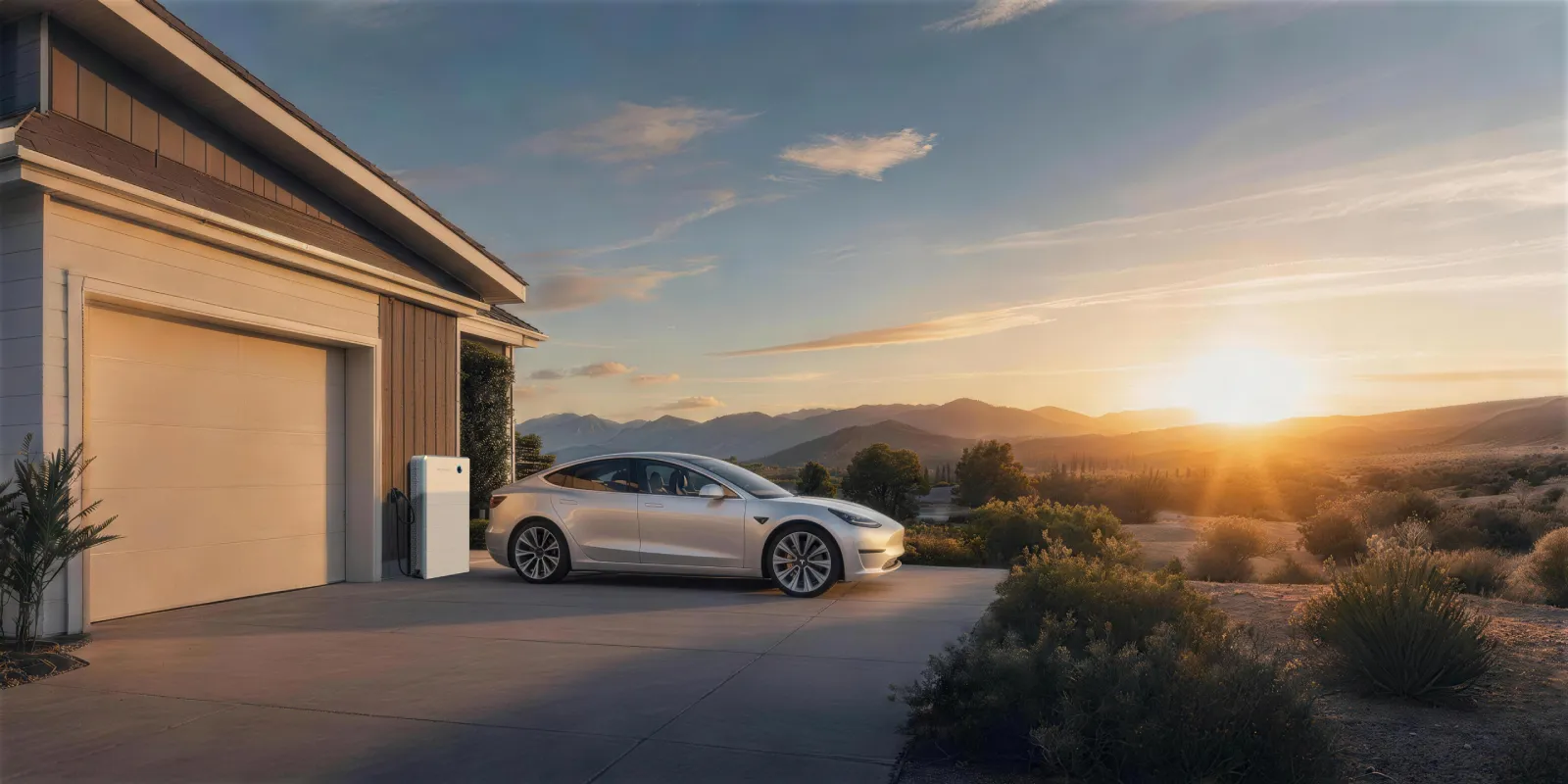
EV owners know the rhythm: plug in after dinner, wake up with a full battery. The problem is that evening charging often lands during the same hours when the grid is busiest and electricity can cost more. Home battery storage can help, but only when the system is designed around the car as a major load.
An EV charger is not a small appliance. Level 2 charging can draw several kilowatts for hours, which may equal or exceed the rest of the home’s evening load. That changes how a battery should be sized and controlled.
Battery-to-EV charging is about timing
If solar panels produce excess electricity at noon, a home battery can store some of that energy for later. At night, the battery may support household loads or contribute to EV charging. The goal is not always to fill the car entirely from the battery. Often, the better goal is to reduce peak-hour grid draw.
The U.S. Department of Energy notes that managed charging can help reduce stress on the grid by shifting EV charging to better times. In a home setting, that management can come from a smart charger, a battery system, or both.
The key word is “managed.” If an EV begins charging at full power as soon as it is plugged in, it may overwhelm the careful schedule that made the battery useful in the first place. If charging can be delayed, slowed, or tied to solar surplus, the car becomes a flexible load instead of a blunt demand spike.
Do the math before assuming
EV batteries are large. A 60 kWh vehicle pack is much bigger than many home battery systems. If a driver arrives home nearly empty and needs a full charge by morning, a typical residential battery will not cover the whole session.
But that does not make storage irrelevant. Many drivers only need to replace the energy used during the day’s commute. A home battery may shave the expensive part of the charging window, while the charger finishes later when rates fall.
This is where a solar-powered EV charger can make the setup easier to explain. The charger does not need to work alone; it can be part of a broader home energy plan that includes solar generation, storage, and scheduled charging.
A simple commute example helps. If an EV uses 12 kWh on a normal day, the household may not need a full overnight charge from zero. It may only need to replace those 12 kWh before morning. A home battery may cover part of that energy, or it may hold the rest of the house off the grid while the EV waits for lower-rate electricity. Both strategies can reduce peak-hour costs without pretending the home battery is as large as the vehicle pack.
Smart charging beats guesswork
A useful home energy setup should answer simple questions: Is the car charging from solar, the battery, or the grid? Is charging scheduled for the cheapest hours? Will the home still preserve backup energy if a storm is forecast?
That last question matters. If a home drains its stationary battery into the EV every night, it may lose backup readiness. A smarter system can preserve a minimum state of charge for outages and only use excess stored energy for charging.
According to the International Energy Agency, EV adoption is adding new electricity demand, but flexible charging can reduce the impact of that demand. For homeowners, flexibility starts with hardware that can be scheduled and monitored.
Connector compatibility is becoming part of the planning, too. Many U.S. drivers still use J1772 equipment, while more vehicles are moving toward NACS. A household buying a charger in 2026 should consider both the current vehicle and the likely next one. Adapters can help in some cases, but native compatibility and installer support are easier to live with.
Panel capacity belongs in the same conversation. If the main electrical panel is already close to its limit, a smart charging setup may be cheaper and cleaner than a major service upgrade. The charger, battery, and household loads should be reviewed together.
When an AC charger is enough
Not every household needs bidirectional charging. A Level 2 AC charger is often the practical choice for everyday home charging, especially when the goal is scheduled overnight charging from solar-supported or lower-cost electricity. Compatibility with common connector standards also matters as the U.S. market transitions across J1772 and NACS.
Home battery storage can help with EV charging at night, but the best results come from coordinated controls, not oversized promises. Homeowners comparing equipment can review the Sigen EV AC Charger as one route for tying smart home charging into a broader solar and storage plan.

Happy
0 %

Sad
0 %

Excited
0 %

Sleepy
0 %

Angry
0 %

Surprise
0 %
 0
0
 0
0