How to Verify the Legal Origin of Used Catalytic Converters
Read Time:6 Minute, 36 Second
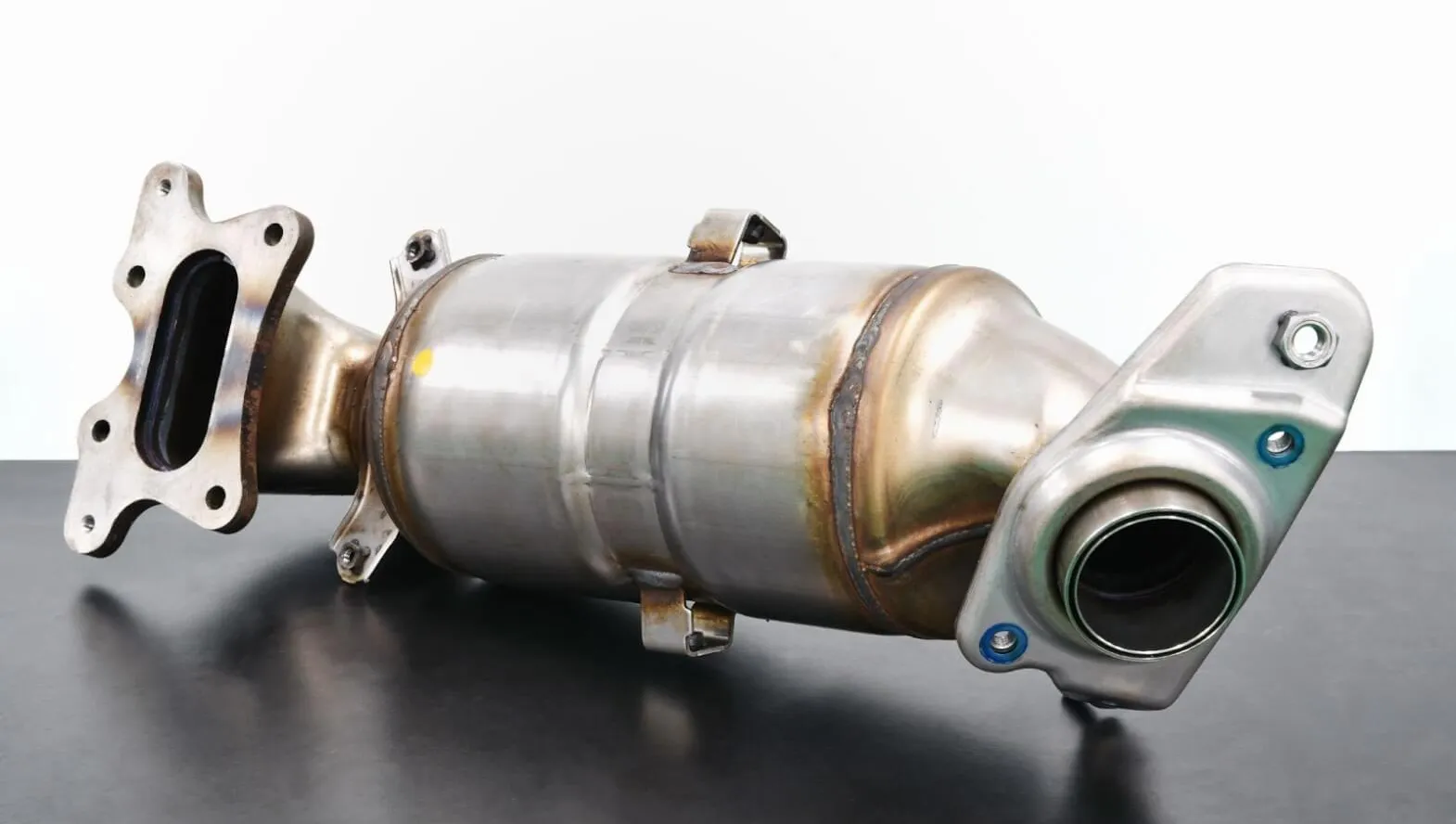
Catalytic converters are valuable because they contain recoverable platinum-group metals such as platinum, palladium, and rhodium. Unfortunately, that value also makes them attractive targets for theft. For collectors, dismantlers, recyclers, refiners, and exporters, purchasing material without verifying its origin can result in financial loss, shipment delays, reputational damage, or even criminal and regulatory exposure.
A reliable due-diligence process does more than reduce legal risk. It creates a traceable supply chain, gives downstream partners greater confidence, and helps legitimate suppliers compete in a market too often disrupted by stolen material. The following framework can help businesses assess the lawful origin of used catalytic converters before accepting, processing, or trading them.
Why origin verification matters
A catalytic converter may pass through several hands between its removal from a vehicle and final refining. Those steps can include a vehicle owner, repair shop, salvage yard, dismantler, collector, aggregator, processor, logistics provider, and refiner. If records are incomplete at any point, establishing legal ownership becomes more difficult.
The consequences of inadequate checks vary by jurisdiction, but they may include seized inventory, rejected shipments, suspended trading privileges, fines, and investigations. Even when a buyer has acted in good faith, unexplained stock can consume significant management time and create uncertainty for customers and financial partners.
Legal requirements differ between countries and sometimes between states, provinces, or municipalities. Businesses should therefore treat the following measures as a practical baseline rather than a substitute for advice from local legal, customs, tax, and environmental professionals.
1. Verify the supplier before evaluating the material
Origin checks should begin with the seller. A legitimate business should be able to explain who it is, where it operates, and how it obtains its inventory. Before opening an account, collect and validate information appropriate to the supplier type.
- For companies: Obtain the legal company name, registration number, registered address, operating address, tax details, trading licenses, contact information, and the identity of authorized representatives.
- For repairers and dismantlers: Request relevant automotive, salvage, waste-handling, or dismantling permits where required.
- For individuals: Record government-issued identification and proof of address in accordance with applicable privacy law.
- For exporters: Review export permissions, shipping history, customs documentation, and any required waste classifications or movement permits.
Do not rely solely on document images supplied by email. Where possible, compare registration details with official databases, confirm that addresses exist, and verify that payment accounts belong to the contracting party. A newly formed business offering unusually large volumes deserves additional scrutiny, not automatic rejection, but its supply explanation should be credible and documented.
2. Require proof of ownership and lawful removal
The precise evidence will depend on how the converter entered the supply chain. A garage may provide repair orders showing that a failed unit was replaced. A dismantler may supply vehicle identification numbers, titles, certificates of destruction, auction invoices, or intake records. A fleet operator may produce asset-disposal documents and maintenance records.
For each lot, ask for a purchase invoice or declaration that identifies the seller, buyer, date, quantity, description, and basis of ownership. When practical, connect converter references to the source vehicles. Records do not always need to accompany every physical unit, but the business should be able to demonstrate a defensible chain from vehicle acquisition or authorized removal to sale.
Cash transactions can weaken that chain. Traceable bank payments create a clearer commercial record and reduce disputes over who sold the material. Some jurisdictions restrict or prohibit cash purchases of scrap catalytic converters, so payment rules should be built into the company’s compliance procedure.
3. Inspect the converters for physical warning signs
Documentation and physical inspection should support each other. Staff receiving a batch should photograph it, record the count or weight, note identifying marks, and look for signs that conflict with the supplier’s explanation.
Common red flags include:
- Fresh, rough, or hurried cuts inconsistent with professional dismantling;
- Ground-off, altered, or deliberately obscured serial numbers and manufacturer markings;
- A mixed batch of late-model original-equipment units from unrelated vehicles without acquisition records;
- Labels, inventory marks, or property identifiers belonging to another business;
- Quantities that are inconsistent with the seller’s stated size or normal operations;
- Repeated deliveries at unusual hours or pressure to complete the transaction immediately;
- A seller who cannot explain where or when the units were obtained.
No single sign proves theft. For example, converters removed by mobile dismantling teams may have rough cuts, while mixed loads are normal for established aggregators. The key question is whether the material, documents, supplier profile, and transaction behavior tell a consistent story.
4. Screen serial numbers and retain visual evidence
Where serial numbers, part numbers, barcodes, or other identifiers remain visible, record them before processing. Compare them with available theft reports, law-enforcement bulletins, insurer information, internal blocklists, and any recognized industry databases accessible in your region.
Photographs should show the overall lot and identifying details. Time-stamped intake images can be especially useful if questions arise after material has been decanned or processed. Establish a retention schedule that meets local recordkeeping requirements while protecting personal and commercially sensitive information.
5. Use risk-based controls instead of a box-ticking exercise
Not every transaction carries the same risk. A long-established licensed dismantler delivering predictable monthly volumes presents a different profile from a first-time individual seller arriving with dozens of original-equipment converters. A practical scoring system can consider supplier history, jurisdiction, volume, converter type, documentation quality, payment method, and discrepancies discovered during inspection.
Low-risk transactions may proceed through standard intake controls. Medium-risk lots may require management approval or additional ownership evidence. High-risk material should be quarantined and left unprocessed until questions are resolved. Staff must also know when local rules require suspicious activity to be reported to law enforcement or another authority.
6. Preserve traceability through processing and settlement
Verification should not end when a shipment is accepted. Assign a unique lot number and maintain it through weighing, sorting, decanning, milling, sampling, analysis, and settlement. This prevents verified material from becoming mixed with unidentified stock and supports accurate commercial reconciliation.
A capable processing partner can reinforce this discipline. Recohub, a UAE-based participant in the metal recycling supply chain, describes an approach that connects sourcing, processing, and trade and delivery. Its catalyst workflow includes logistics support, processing, homogenized sampling, and analytical methods such as XRF and ICP before flexible settlement. For a business seeking a structured route for a legally sourced used catalytic converter lot, that end-to-end perspective can help align compliance records with operational and assay records.
7. Put the procedure in writing and train employees
A strong policy should state who may approve suppliers, which documents are mandatory, how material is inspected, what triggers enhanced review, how records are stored, and who handles a suspicious transaction. Employees should be empowered to pause a purchase without being penalized for delaying throughput.
Training should include realistic examples. Staff can practice responding to an expired license, a name mismatch on a bank account, altered identification marks, or a seller unwilling to issue an invoice. Periodic file audits will reveal whether the policy is actually followed and where forms or workflows need improvement.
A defensible supply chain is also a competitive advantage
The safest buyers do not depend on intuition alone. They combine supplier verification, ownership evidence, physical inspection, identifier screening, traceable payments, lot-level records, and clear escalation rules. They also review requirements whenever they enter a new jurisdiction or trade across borders.
If your business handles catalytic converter scrap, start by auditing a sample of recent purchases from supplier onboarding through final settlement. Identify missing documents, unexplained changes in volume, and gaps between intake and processing records. Then speak with experienced processing partners such as Recohub about building traceability into the commercial workflow. A few disciplined checks at the beginning of a transaction can protect margins, relationships, and the credibility of the wider recycling industry.

Happy
0 %

Sad
0 %

Excited
0 %

Sleepy
0 %

Angry
0 %

Surprise
0 %
 0
0
 0
0