
8 Symptoms of Menopause Every Woman Should Know
Read Time:5 Minute, 3 Second
Menopause is a significant period in a woman’s life that usually occurs between the ages of 45 and 55. Women who want to more successfully manage this natural transition must first understand the menopause symptoms. Menopause is experienced by every woman differently; some suffer more than others. Acknowledging the early symptoms will enable women to seek suitable therapy and assistance.
Irregular Periods
One of the most prevalent menopausal symptoms is irregular menstrual cycles. This can begin some years before menopause, a phase sometimes referred to as perimenopause. A woman’s menstrual cycle gets erratic at this time. Periods could grow shorter or longer, lighter or heavier, or they might even be skipped completely. Mostly estrogen and progesterone, changing hormone levels cause this irregularity. These hormonal changes influence ovulation’s regularity, which influences menstrual periods by itself. Some women find these irregular periods disruptive; hence, knowing the pattern of changes will enable them to get ready for menopause.
Hot Flashes
Hot flashes are one of the most well-known menopausal symptoms. These abrupt sensations of great warmth, sometimes accompanied by perspiration, can strike at any time of day or night. Their intensity ranges from a few seconds to many minutes. Hormonal changes influencing the body’s capacity to control temperature cause hot flashes. The hypothalamus, which regulates temperature in the brain, becomes more sensitive as estrogen levels fall, which causes these abrupt heat spikes. Hot flashes can cause tension and tiredness by upsetting daily activities and even sleep. Managing them, which includes avoiding triggers such as hot beverages and spicy meals, can help relieve discomfort.
Night Sweats
Night sweats are comparable to hot flashes; however, they occur while sleeping. These strong sweating sessions can interrupt sleep patterns, depriving patients of a restful sleep. Menopause’s hormonal changes cause the body’s temperature regulating mechanism to become unpredictable, resulting in nightly sweats. These sweats can be so severe that they soak through bed linens and clothing, causing discomfort and unpleasant consequences. Women with night sweats can wake up feeling clammy or overheated, making it difficult to get a full night’s sleep. This can produce mood swings, tiredness, and irritability over time. Discussing treatment options with an OBGYN in Richmond VA, can assist women who find night sweats particularly bothersome by recommending lifestyle adjustments or medication.
Mood Swings
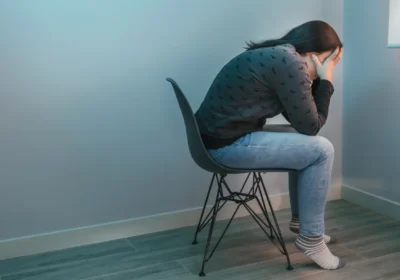
Menopause’s hormonal changes can also have a big effect on attitude. Variations in estrogen levels influence brain neurotransmitters, including serotonin, which helps to control mood. Women can thus have mood swings, irritation, and even depression or anxiety. Women struggle to manage the daily menopause issues since these mood swings are often erratic. During perimenopause, when hormone levels are most changing, mood swings can be more obvious. Women suffering from these symptoms should understand that they are rather common throughout menopause. Managing emotional well-being during this period can be achieved with aid from loved ones or a medical practitioner.
Sleep Disturbances
Sleep disturbances are another common symptom of menopause. Many women find it difficult to fall and keep asleep following menopause. Night sweats, which are sometimes accompanied by hot flushes, can make it difficult to sleep soundly. The hormonal changes that occur after menopause also influence the body’s melatonin production, which is responsible for controlling the sleep-wake cycle. Women can suffer from restlessness or sleeplessness. Sleep issues can have a negative impact on overall health, causing feelings of exhaustion, frustration, and difficulty concentrating. Maintaining a consistent sleep schedule, creating a soothing nightly routine, and avoiding stimulants like caffeine can help improve sleep quality.
Vaginal Dryness
As estrogen levels drop throughout menopause, vaginal dryness is another typical symptom. Estrogen keeps vaginal tissues wet and elastic; hence when levels fall, women can find their vaginal tissues thinner, drier, and less lubricated. This can cause discomfort during sexual contact and raise urinary tract infection (UTI) risk. Vaginal dryness can also aggravate the pelvic area generally and cause itching and irritation. While over-the-counter lubricants or moisturizers can provide some temporary relief, a healthcare professional should be seen for more severe or persistent dryness.
Memory Problems and Concentration Issues
Many women claim to have trouble focusing or remembering throughout menopause. Many times, referred to as “brain fog,” this symptom, especially for women who used to be sharp and focused, can be annoying and perhaps frightening. Menopause brings hormonal changes that impact the brain’s capacity for effective information retention and processing. Cognitive ability is influenced by estrogen; hence, when levels of this hormone drop, forgetfulness, poor concentration, and even decreased processing speeds might follow. Keeping the brain engaged by means of puzzles, reading, or acquiring new skills will aid in enhancing cognitive ability.
Decreased Libido
A decrease in libido, or sexual desire, is another common sign of menopause. This results from other physical changes in the body, vaginal dryness, and hormonal changes taken together. Women can experience reduced interest in intimacy or a drop in sexual desire as estrogen levels fall. For others, the physical discomfort related to vaginal dryness might make sexual activity less fun, therefore lowering libido. Reduced enthusiasm for sex can also result from emotional elements such as stress, worry, or mood swings. A partner’s open communication and consulting a healthcare professional can assist to allay these worries.
Conclusion
Menopause is a natural stage in every woman’s life, although it can cause a variety of physical and emotional changes. Navigating menopause with confidence and ease depends on knowing the symptoms including irregular periods, hot flashes, night sweats, mood swings, and more. Though each woman experiences these symptoms differently, early recognition of them will enable one to seek suitable treatment. Concerned women should see a reputable healthcare professional, to investigate the best ways to manage menopause if they have symptoms or great discomfort. Women can negotiate this period of life with strength and resilience, provided they receive appropriate care, support, and attention to general well-being.
Author Bio
Freelance writer Jenny Fries focuses on writing on business, health, lifestyle, and technology. She provides independent blogging and SEO content writing services. Fries enjoys writing vacation itineraries, traveling, and cooking when she’s not writing.

Happy
0 %

Sad
0 %

Excited
0 %

Sleepy
0 %

Angry
0 %

Surprise
0 %
 0
0
 0
0