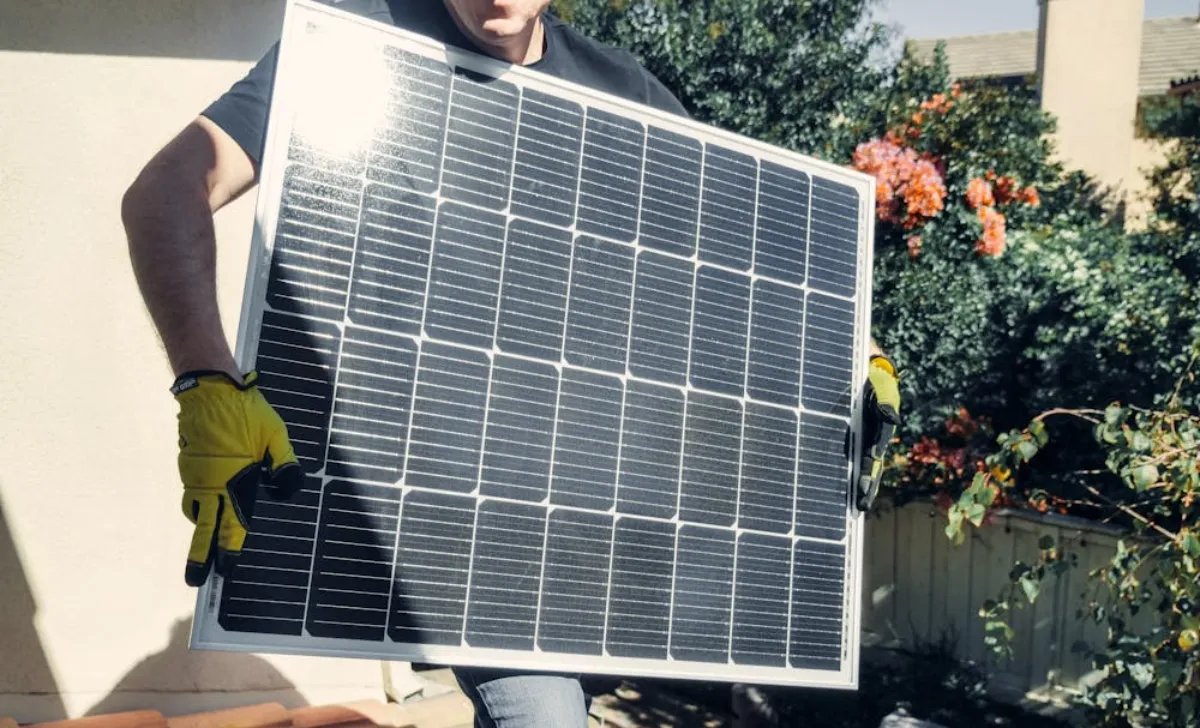
The Growing Popularity of Sustainable and Green Homes in the US Real Estate Market
Read Time:4 Minute, 15 Second
You’re touring a house where the roof doubles as a solar panel farm, the floors are made of reclaimed wood, and the thermostat learns your habits to slash energy waste. A decade ago, this might have felt like science fiction.
Today, it’s increasingly common. A growing number of homebuyers now prioritize energy-efficient features when shopping for a property. We’ve entered the era of sustainable living and it’s reshaping how Americans live, buy, and invest.
How Green Homes Took Over
The shift toward sustainability isn’t happening in a vacuum. Climate change concerns, rising utility costs, and a cultural push toward mindful consumption have turned green homes from a fringe idea into a mainstream priority. Builders are responding, with many now integrating energy-saving technology as standard practice compared to just a few years ago.
What’s driving this? For starters, you — the buyer. Younger generations, who dominate the first-time homebuyer market, prioritize sustainability more than previous ones. They’re willing to pay a premium for homes with low carbon footprints, and they’re vocal about it. Many realtors note that buyers today aren’t just asking about square footage — they want details about energy efficiency scores, material origins, and eco-friendly landscaping.
The Hidden Perks of Going Green (Beyond Saving the Planet)
Sustainable homes offer tangible benefits that hit closer to home — literally:
- Lower Bills: Energy-efficient homes cut utility costs. Better insulation, solar panels, and smart tech reduce wasted energy, so you save money month after month.
- Stronger Investment: Green homes hold their value. Buyers pay more for features like updated insulation or solar setups, especially in competitive markets, making them a smarter long-term buy.
- Healthier Living: Non-toxic materials and improved airflow mean cleaner air inside. For anyone with allergies or asthma, this can make daily life more comfortable.
These benefits can even ripple outward. Neighborhoods with sustainable homes frequently see boosted property values overall, creating a “green halo” effect that benefits everyone.
But Why Isn’t Everyone On Board Yet?
Barriers remain. Upfront costs for solar panels or geothermal heating can add tens of thousands to construction budgets. While long-term savings and incentives help, the initial expense still deters some buyers.
There’s also confusion about what “green” actually means. Is bamboo flooring sustainable if shipped overseas? Does a smart thermostat matter without proper insulation? Experts emphasize looking beyond buzzwords: true sustainability requires a holistic approach, not just individual features.
Innovators Leading the Charge
Game-changers are making green living more accessible:
Net-Zero Communities
These are entire neighborhoods built to balance energy use. They generate as much power as they need—often through shared solar panels or super-efficient designs. Imagine a community where homes, streets, and parks work together to waste nothing. No giant energy bills, no guilt about carbon footprints. Just smart living.
Retrofit Solutions
Don’t want to move? No problem. Companies now specialize in upgrading older homes. They’ll add insulation, swap out old heaters for electric heat pumps, or install smart thermostats — and you don’t always pay upfront. Instead, costs are tied to the energy you save over time. It’s like a gym membership for your house: pay as you go, and everyone wins.
Government Incentives
Your wallet gets a boost, too. Programs like the Inflation Reduction Act offer cash back for eco-friendly upgrades. Install a heat pump? Get a rebate. Add solar panels? Another rebate. These incentives cut the cost of going green, making it less “someday” and more “why not now?”
Property managers are also catching on. Investing in multi-family real estate with green certifications — like energy-efficient appliances or sustainable landscaping — is becoming a strategic move. Tenants increasingly value lower carbon footprints and healthier spaces, making these properties both ethical and profitable.
What’s Next: The Green Housing Boom Is Just Beginning
Sustainable homes are no longer a luxury — they’re a baseline expectation. Emerging technologies, like AI-driven energy systems and recycled material construction, will accelerate this shift. Even insurers are recognizing the value, with some offering discounts for climate-resilient homes.
But the real magic lies in how sustainability redefines “home.” It’s not just a place to live; it’s a reflection of values, a financial safeguard, and a tool for better living. As you browse listings or chat with your realtor, ask: Does this house align with the future I want — or the past I’m ready to leave behind?
How to Join the Green Wave
Start small: Swap LED bulbs, seal drafty windows, or explore community solar programs. If you’re buying, prioritize features like energy-efficient windows or locally sourced materials. Ask questions — a good agent will help you navigate what “sustainable” means for your needs.
The American dream is evolving, and sustainability is at its core. Whether you’re a first-time buyer, downsizing, or just tired of high energy bills, the green housing wave has room for you. After all, the best homes don’t just shelter us but also inspire us to live lighter on the planet.

Happy
0 %

Sad
0 %

Excited
0 %

Sleepy
0 %

Angry
0 %

Surprise
0 %
 0
0
 0
0