How to Safely Add More Electrical Capacity to Your Commercial Building
Read Time:3 Minute, 4 Second
As your business grows, so too do your electrical needs. Whether it’s for new equipment, lighting upgrades, or HVAC systems, you may find that the current electrical capacity of your commercial building is insufficient. Adding more electrical capacity is essential to ensure that your business runs smoothly and safely. However, this is not a process that should be taken lightly. Here are some crucial steps to safely add more electrical capacity to your commercial building.
Assess Your Current Electrical System
Before adding more capacity, it’s essential to evaluate your existing electrical system. Have a licensed electrician inspect your panel, circuits, wiring, and overall electrical infrastructure. An accurate assessment will reveal if there are any existing issues like outdated wiring, overloaded circuits, or the need for an upgrade. This inspection will also help you understand the amount of power your current system can handle and where improvements are necessary.
Plan Your Expansion Wisely
Once your current system is assessed, it’s time to plan for the necessary upgrades. Adding more electrical capacity involves a few key decisions, such as upgrading your electrical panel, adding additional circuits, or even installing a backup power source. The extent of the changes required will depend on your building’s current load and the future needs of your business. Working with a professional who understands electrical systems is crucial here to ensure you don’t overestimate or underestimate your requirements.
Upgrade the Electrical Panel
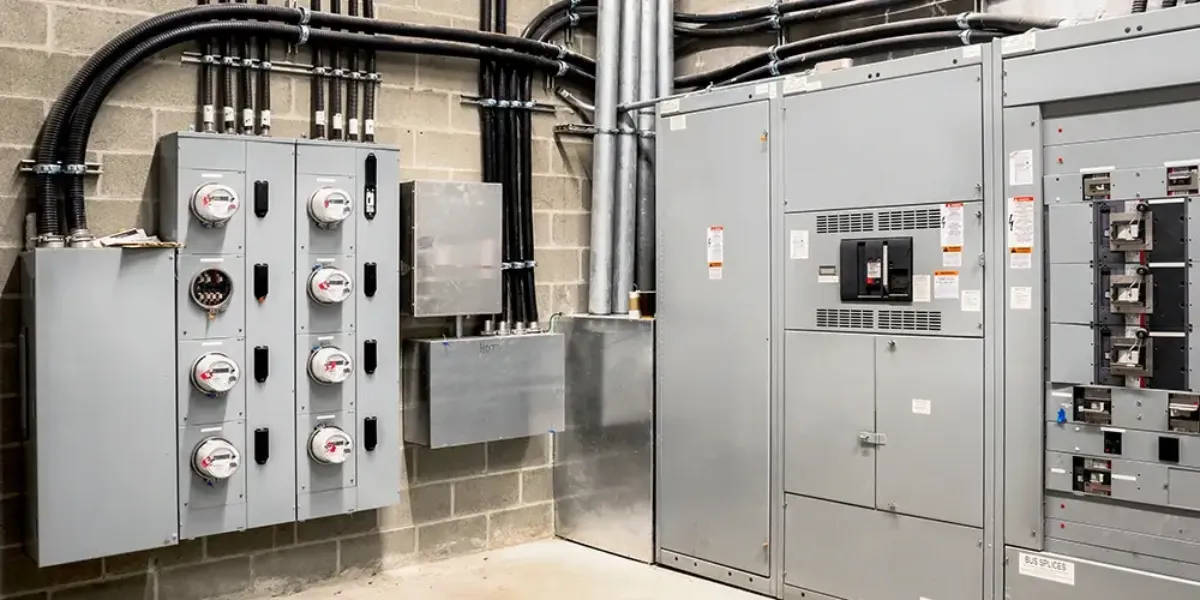
In most cases, upgrading your electrical panel will be necessary to add more capacity to your commercial building. Electrical panels act as the central distribution point for all your electrical circuits, so upgrading to a higher amperage will provide additional power to meet the increased demand. For businesses that rely heavily on electrical equipment, a 400-amp panel may be necessary, while smaller businesses may only need a 200-amp panel upgrade. A licensed electrician can help you determine the best option for your building and business needs.
Install New Circuits and Wiring
After upgrading the panel, you may need to install additional circuits and wiring to distribute the increased load. A larger electrical panel can handle more circuits, but it’s essential to ensure that the wiring and circuits are capable of safely carrying the added load. Using sub-panels for different areas of the building can also help manage the load more effectively and ensure that power is distributed evenly throughout.
Ensure Compliance with Local Codes
Every electrical upgrade must comply with local building codes and safety standards. Not only does this ensure the safety of your building and its occupants, but it also ensures that your upgrade will pass any necessary inspections. Each state and city may have different codes, so it’s essential to hire an electrician familiar with the specific regulations in your area. If you’re in Ohio, for example, working with Ohio’s trusted electricians Garber Electric will ensure that all necessary permits and inspections are handled correctly.
Consider Backup Power Sources
In addition to increasing electrical capacity, consider whether you need a backup power source, such as a generator or uninterruptible power supply (UPS). Businesses that rely on constant power to operate—such as those in the healthcare or manufacturing industries—cannot afford interruptions. Backup power ensures your business can continue running even during outages, minimizing downtime and protecting critical equipment.
Test the System After Completion
Once all upgrades are completed, it’s crucial to test the system to ensure everything is functioning correctly. A certified electrician should thoroughly test all circuits, equipment, and the overall electrical system to ensure that there are no issues and that the system is working at optimal efficiency.

Happy
0 %

Sad
0 %

Excited
0 %

Sleepy
0 %

Angry
0 %

Surprise
0 %
 0
0
 0
0