Mastering Cable Management In Industrial Plants
Read Time:5 Minute, 11 Second
There’s something magical about manufacturing—it’s the engine that powers economies and puts smiles on people’s faces. People entertaining their kids in parks after a long and fulfilling day at work is an indicator of many things; one specifically is that their needs if not wants are met regularly. How? By creating jobs, boosting incomes, and fueling the cycle of abundance. When factories hum with activity, livelihoods improve, families thrive, and consumption grows stronger with every passing day.
Now, let’s zoom in a bit. Think about plants and machinery—the heavy lifters of industry. Without them, production grinds to a halt. But what keeps these giants running smoothly? Industrial cables—the protective cable conduits are the unsung heroes silently transmitting power, data, and control signals across factories, refineries, and power plants.
Why Industrial Cables Matter More Than You Think
- Powering Progress: From high voltage cables in steel plants to flexible wiring in robotics, they ensure seamless operations.
- Smart Manufacturing: With Industry 4.0, cables now support IoT sensors, automation, and real-time data transfer, making factories smarter.
- Durability & Safety: Designed to withstand extreme heat, chemicals, and constant movement, they keep industries running without hiccups.
- Holistic Growth: Information Tech and other industries are reliant on the growth of manufacturing and this is the point where it circles back.
Safety First: Why Cable Management is the Unsung Hero of Industrial Growth
In the world of plants and machinery, progress means nothing without safety. Cutting corners to speed up production is like building a skyscraper on a weak foundation—sooner or later, everything comes crashing down. One of the most overlooked yet critical aspects of industrial safety is cable management. It’s not just about keeping wires tidy; it’s about preventing disasters, boosting efficiency, and ensuring smooth operations. Let’s dive into why proper cable management is nonnegotiable—and how it transforms workplaces from hazardous to high-performing.
What Is Cable Management?
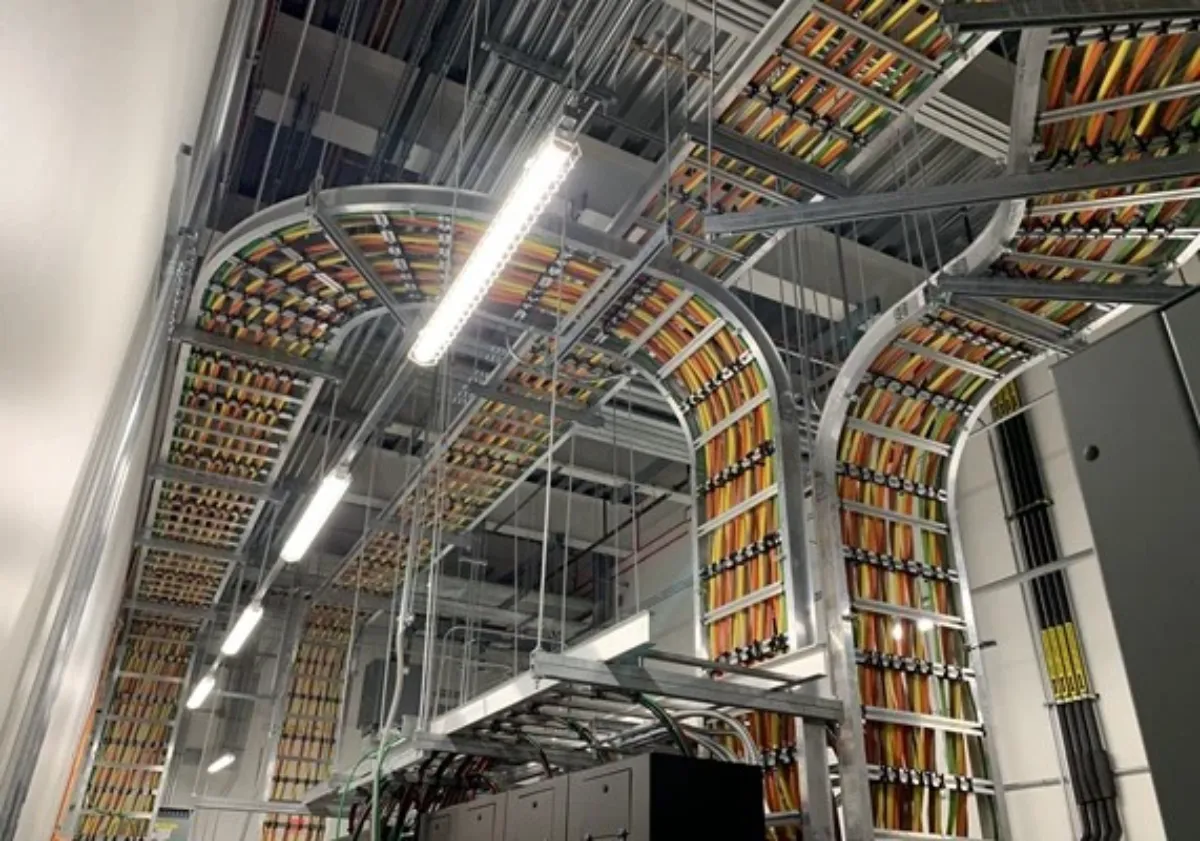
Industrial cable management is the systematic organization, routing, and protection of electrical and data cables in industrial environments. It involves using trays, conduits, clips, and smart labeling to ensure wires are secure, accessible, and free from damage. Think of it as the nervous system of a factory—if cables are tangled, exposed, or poorly maintained, the entire operation risks short circuits, fires, or catastrophic failures.
Now, let’s explore six game changing benefits of cable management—each a powerhouse of safety and efficiency.
1. Preventing Electrical Hazards And Fire Risks
Picture this: a high voltage cable in a manufacturing plant frays due to poor support, sparks fly, and within seconds, a fire erupts. Scary, right? Unmanaged cables are a leading cause of electrical fires in industrial settings. Proper cable management ensures wires are insulated, separated from heat sources, and free from abrasion. Cable trays and fire-resistant conduits act as barriers, preventing short circuits and reducing the risk of sparks igniting flammable materials. The result? Fewer accidents, lower insurance costs, and peace of mind for workers.
2. Enhancing Equipment Longevity And Reducing Downtime
Machinery is expensive, and nothing kills productivity faster than unexpected breakdowns. When cables are left dangling or crushed under heavy equipment, they degrade faster, leading to signal loss or power failures. Proper cable management secures wiring away from moving parts, moisture, and chemical exposure. For example, in an automotive assembly line, neatly routed cables prevent robotic arms from snagging and tearing wires mid operation. This translates to fewer repairs, longer equipment life, and uninterrupted production—saving thousands in maintenance costs.
3. Improving Worker Safety And Reducing Tripping Hazards
A cluttered workspace isn’t just an eyesore—it’s a death trap. Loose cables sprawled across walkways are a major tripping hazard, especially in high-traffic areas like warehouses or construction sites. A worker carrying heavy materials might not see a stray cable, leading to falls, injuries, or even fatal accidents. By using floor ducts, overhead trays, and secure fasteners, cable management keeps pathways clear. In sectors like oil and gas, where workers navigate complex rigs, organized cables mean fewer accidents and a safer, more confident workforce.
4. Boosting Efficiency And Simplifying Troubleshooting
Ever tried fixing a tangled mess of wires behind your TV? Now imagine that on an industrial scale—thousands of cables with no labels, no order, just chaos. When a machine malfunctions, electricians waste precious hours tracing faulty connections. Proper cable management includes color coding, labeling, and logical routing. In a data center, for instance, neatly arranged server cables allow technicians to quickly identify and replace a damaged line without shutting down the entire network. Faster troubleshooting means less downtime and higher output—every manager’s dream.
5. Supporting Compliance with Industry Standards
Regulations like OSHA, NEC, and IEC mandate strict cable safety protocols. Companies that ignore these standards face hefty fines, legal liabilities, and reputational damage. Proper cable management ensures compliance by maintaining safe clearances, proper grounding, and flame-retardant materials. Take pharmaceuticals: in sterile labs, cables must be sealed in antistatic conduits to prevent contamination. Meeting these standards isn’t just about avoiding penalties—it’s about building trust with clients and stakeholders.
6. Enabling Scalability And FutureProofing Operations
Industries evolve, and so should their infrastructure. A well planned cable management system allows for easy upgrades without rewiring entire facilities. For example, a smart factory integrating AIdriven sensors can seamlessly add new data cables alongside existing power lines. Modular trays and expandable conduits make this possible, saving time and money. Companies that invest in scalable cable solutions today avoid costly overhauls tomorrow, staying ahead in the competitive race.
Final Thought: Safety = Productivity
Cutting corners on cable management is a gamble no business can afford. The benefits go beyond avoiding disasters—they create a ripple effect of efficiency, cost savings, and workforce morale. Whether it’s preventing fires, speeding up repairs, or meeting regulations, every dollar spent on proper cable management pays back tenfold.
So, the next time you walk through a factory, look down. Those neatly organized cables? They’re not just wires—they’re the lifelines keeping the industry alive, safe, and thriving. Is your workplace prioritizing cable safety? If not, it’s time to untangle the risks before they unravel your progress.

Happy
0 %

Sad
0 %

Excited
0 %

Sleepy
0 %

Angry
0 %

Surprise
0 %
 0
0
 0
0