The Art and Science of Clarity: Elevating Medical Communication with Visuals
Read Time:3 Minute, 1 Second
In an increasingly visual world, the convergence of art and science has given rise to powerful tools that are revolutionizing how medical information is conveyed: science medical illustrations and medical animation. These specialized fields are not merely about aesthetics; they are about precision, clarity, and the profound ability to translate complex biological and medical concepts into understandable, engaging visual narratives. They are indispensable for learning, discovery, and effective patient care.
The Foundational Role of Medical Illustrations
Science medical illustrations are the bedrock of visual medical communication. Crafted by highly skilled artists with a deep understanding of anatomical structures, physiological processes, and pathological conditions, these static images offer unparalleled accuracy and detail. They provide a precise snapshot, allowing for focused attention on specific elements or processes without the distraction of movement.
The critical functions of medical illustrations include:
- Anatomical Accuracy: Depicting the intricate relationships between organs, tissues, and cells with scientific fidelity.
- Surgical Planning: Offering detailed visual roadmaps for surgeons, aiding in preoperative planning and intraoperative guidance.
- Textbook and Journal Enrichment: Serving as essential components in educational materials, making abstract concepts concrete and aiding long-term retention.
- Diagnostic Tools: Assisting in the interpretation of medical imaging and communicating diagnostic findings.
- Conceptual Simplification: Breaking down complex biological mechanisms into easily digestible visual components.
The Dynamic Power of Medical Animation
While illustrations provide static clarity, medical animation adds the crucial dimension of time and motion, bringing biological and medical phenomena to life. These dynamic visual narratives excel at explaining processes that unfold over time, providing a clear, step-by-step understanding that static images cannot convey.
The transformative impact of medical animation is evident in:
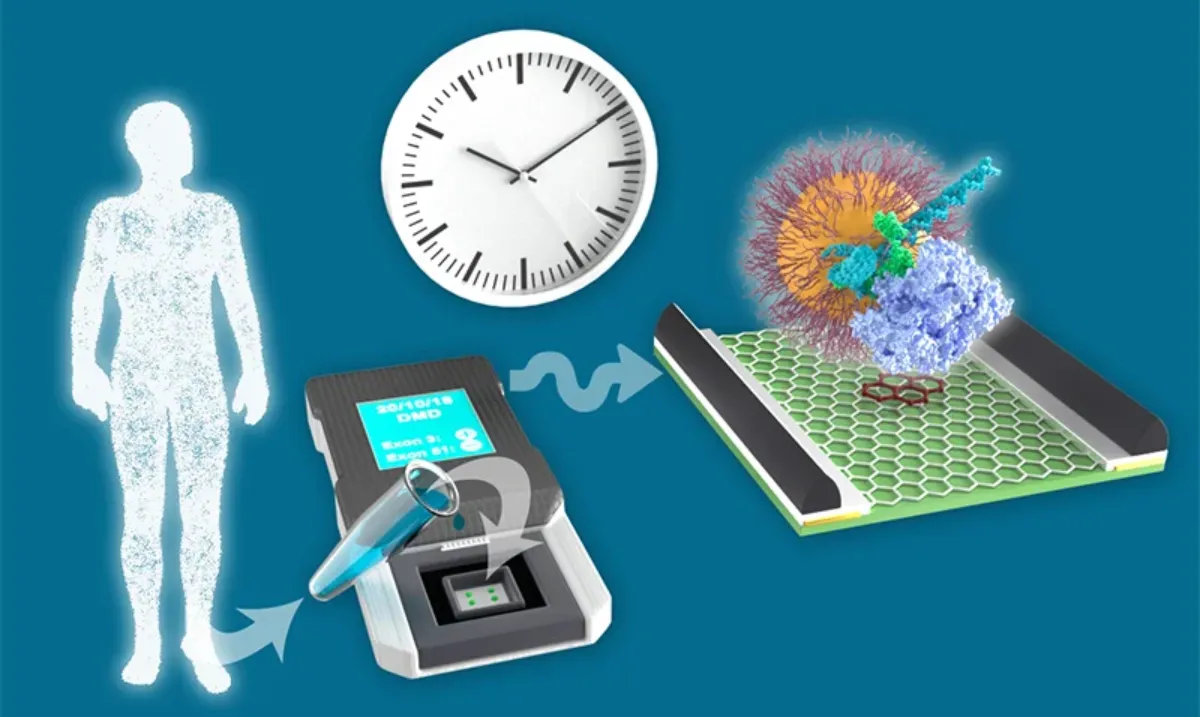
- Mechanism of Action (MOA) Explanations: Clearly illustrating how pharmaceuticals interact with biological systems at a molecular or cellular level.
- Physiological Process Visualization: Demonstrating dynamic bodily functions, such as blood flow, nerve impulse transmission, or immune responses in real-time.
- Surgical Procedure Rehearsal: Allowing surgeons and medical students to virtually practice complex operations, enhancing skill development and reducing risks.
- Disease Progression Narratives: Showing the chronological development of a disease, from cellular changes to systemic effects.
- Patient Journey Mapping: Visually guiding patients through their treatment pathways, from diagnosis to recovery.
Revolutionizing Education, Research, and Patient Engagement
Both medical illustrations and animations are fundamental to medical education, providing students with an intuitive grasp of human anatomy and physiology that goes beyond rote memorization. For researchers, these visuals are powerful tools for communicating novel discoveries, illustrating experimental setups, and presenting complex data in an accessible format to peers and the broader scientific community.
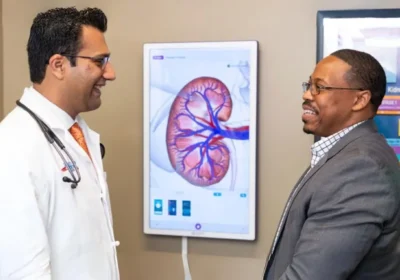
Crucially, these visual mediums significantly enhance patient engagement and understanding. In an era where informed consent and patient empowerment are paramount, clear visual explanations can bridge the communication gap between healthcare providers and patients.
Benefits in this area include:
- Demystifying Conditions: Explaining diagnoses and the nature of diseases in a way that is understandable and less intimidating for patients.
- Informing Treatment Choices: Clearly illustrating treatment options, surgical procedures, and potential outcomes, enabling patients to make informed decisions.
- Improving Adherence: When patients understand the “why” behind their medications or therapies, they are more likely to comply with instructions.
- Reducing Anxiety: Visualizing what to expect during a medical procedure can significantly alleviate patient fear and uncertainty.
- Fostering Trust: Clear, honest visual communication builds trust between patients and healthcare professionals.
In conclusion, science medical illustrations and medical animation are more than just artistic endeavors; they are indispensable communication tools that enhance clarity, foster understanding, and bridge critical knowledge gaps across all facets of medicine. Their continued evolution promises an even more visually sophisticated and accessible future for medical education, scientific discovery, and patient care.

Happy
0 %

Sad
0 %

Excited
0 %

Sleepy
0 %

Angry
0 %

Surprise
0 %
 0
0
 0
0