
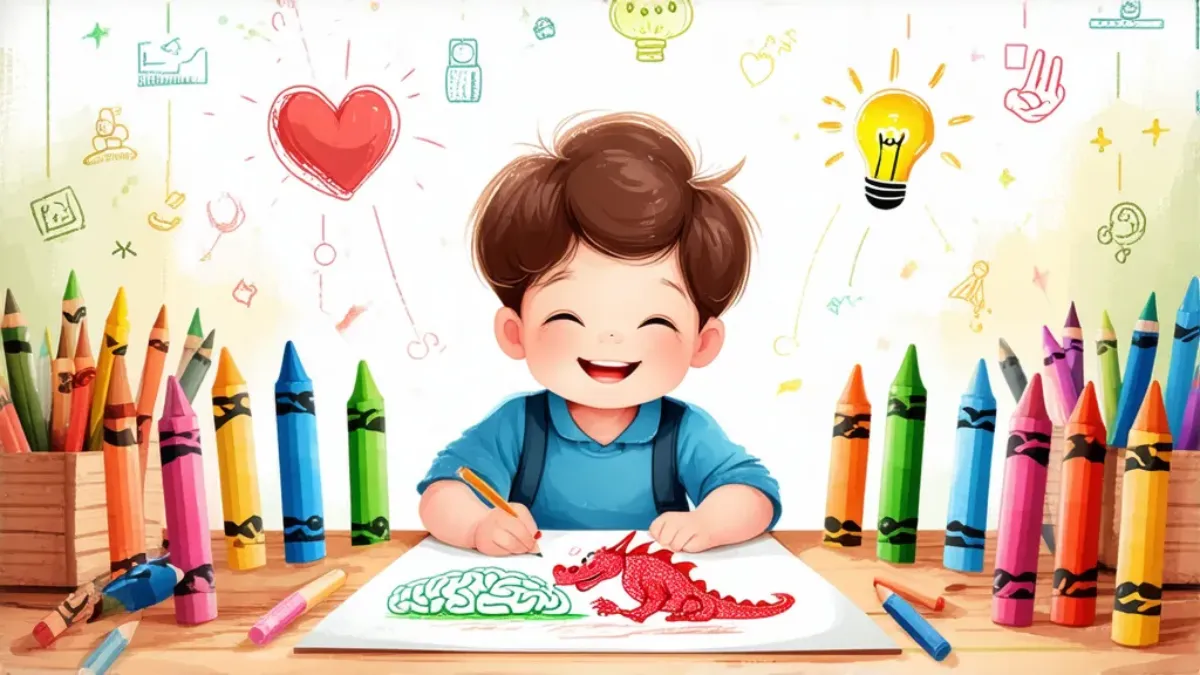
The Benefits of Coloring Pages for Child Development
Read Time:2 Minute, 36 Second
Many parents see coloring books as quiet entertainment on rainy days. Yet decades of research in developmental psychology show that coloring pages offer far-reaching benefits for children aged 2–10. Far from being “just art,” this simple activity strengthens multiple areas of growth at once.
Building Strong Fine Motor Skills and Hand-Eye Coordination
Every crayon stroke demands precise control. When a child stays inside the lines of a dinosaur or a flower, they train the small muscles in fingers and wrists that later hold a pencil properly.
Occupational therapists often recommend coloring because it:
- Strengthens the pincer grasp needed for writing
- Improves bilateral coordination (using both hands together)
- Prepares children for tasks like buttoning shirts or tying shoes
Studies from the American Journal of Occupational Therapy confirm that children who color regularly show better handwriting readiness by kindergarten.
Sparking Creativity and Self-Expression
A blank coloring page is an open invitation to imagine. Children decide whether the sun will be purple or the cat will wear polka dots. These small choices build creative confidence that carries into storytelling, problem-solving, and original thinking later in life. Unlike screens that deliver ready-made images, coloring lets kids become the authors of their world – a crucial step in divergent thinking.
In an age of endless notifications, the ability to focus for ten straight minutes feels almost superhuman. Coloring trains exactly that. The repetitive motion and clear boundaries create a meditative state that lowers anxiety and sharpens attention span.
Child psychologists note that coloring helps children:
- Practice sustained attention without external rewards
- Develop patience when a page takes time to finish
- Regulate emotions – many kids naturally reach for crayons when upset
- Build frustration tolerance when a color goes outside the line
Therapists worldwide use mandala coloring with children who struggle with ADHD or anxiety because the results appear quickly and reliably.
Early Academic Skills in Disguise
Color recognition, color names, and understanding boundaries all sneak into the brain while a child happily fills a rainbow. Themed coloring pages (letters, numbers, animals, maps) turn passive play into active learning.
A 2022 study published in Early Childhood Education Journal found that preschoolers who used educational coloring pages recognized 30 % more letters and numbers than peers who only used worksheets. The combination of visual, tactile, and cognitive input creates stronger neural connections.
Choosing the Right Coloring Pages for Maximum Benefit
Not all pages are equal. To get the full developmental boost, look for:
- Large, simple outlines for ages 2–4
- Moderate detail for ages 5–7
- Intricate designs or mandalas for ages 8+
- Themes tied to current interests (dinosaurs, space, unicorns) or learning goals (alphabet coloring pages, emotions, seasons)
Free printable sites and thoughtfully designed books now offer thousands of options tailored to every stage and need.
Next time your child asks for “just one more page,” remember you are not only keeping them busy – you are quietly shaping stronger hands, calmer minds, bolder imaginations, and sharper academic foundations. A box of crayons and a stack of coloring pages remain one of the cheapest, most effective developmental tools available to parents and teachers today.

Happy
0 %

Sad
0 %

Excited
0 %

Sleepy
0 %

Angry
0 %

Surprise
0 %
 0
0
 0
0