Key Factors When Choosing a Glass Lifter for Commercial Projects
Read Time:2 Minute, 51 Second
Choosing the right glass lifter plays a critical role in the safety and efficiency of commercial glass installations. Improper equipment choices can lead to project delays, material damage, and personnel injuries. Understanding essential selection criteria helps mitigate risks and supports successful outcomes for glass installation projects.
Commercial construction projects often require precise handling and installation of heavy glass panels, making a glass lifter selection a top priority. Glass installation in these settings involves distinct challenges, particularly regarding the protection of fragile materials and the safety of workers. Effective lifting solutions can help reduce the risk of breakage and support both productivity and compliance with industry standards. Selecting suitable equipment is necessary to manage these challenges without excessive costs or delays.
Evaluating load limits and glass characteristics
Every lifting device has a defined safe working load that must not be exceeded. When selecting a lifting solution for glass panels, consider both the maximum load rating and the possibility that loads may shift during handling.
Glass panels in commercial contexts differ in thickness, width, and surface area. The load can vary as panels are positioned and angled, so it is important to take into account both static and dynamic weights to ensure the lifting equipment meets site requirements.
Beyond basic weight considerations, the shape and dimensions of glass panels significantly impact lifting requirements. Large-format architectural glass, such as curtain wall panels or oversized storefront windows, presents unique challenges due to their aspect ratios and center of gravity distribution. Laminated and insulated glass units add complexity with their multi-layer construction, which can affect how weight is distributed across suction points. Project managers should verify that lifting equipment can accommodate not only the heaviest panels but also the largest dimensions anticipated throughout the installation phase, ensuring adequate coverage and stability across the entire glass surface.
Site logistics and challenging access conditions
Indoor and outdoor installation sites create varying demands on lifting solutions. Outdoor projects may involve uneven surfaces or exposure to weather, while indoor installations often require careful movement through doorways and confined spaces.
Restricted access can result from elevators, tight corridors, or small staging areas. These limitations may necessitate compact or modular equipment, and understanding logistical challenges in advance can help prevent rework or delays.
Handling, placement, and operational reliability features
Maintaining control over glass positioning is crucial for glass lifter operations. Features like 360-degree rotation and fine adjustment mechanisms can improve alignment accuracy and help reduce the risk of chipping or shattering glass.
When choosing between manual and powered options, consider effects on worker fatigue and performance over extended shifts. Powered solutions may provide longer run times, but it is essential to check charging cycles and plan for backup options in case of downtime. Equipment run time, recharging schedules, and operator readiness all influence project timelines.
Safety measures, compliance, and total lifecycle costs
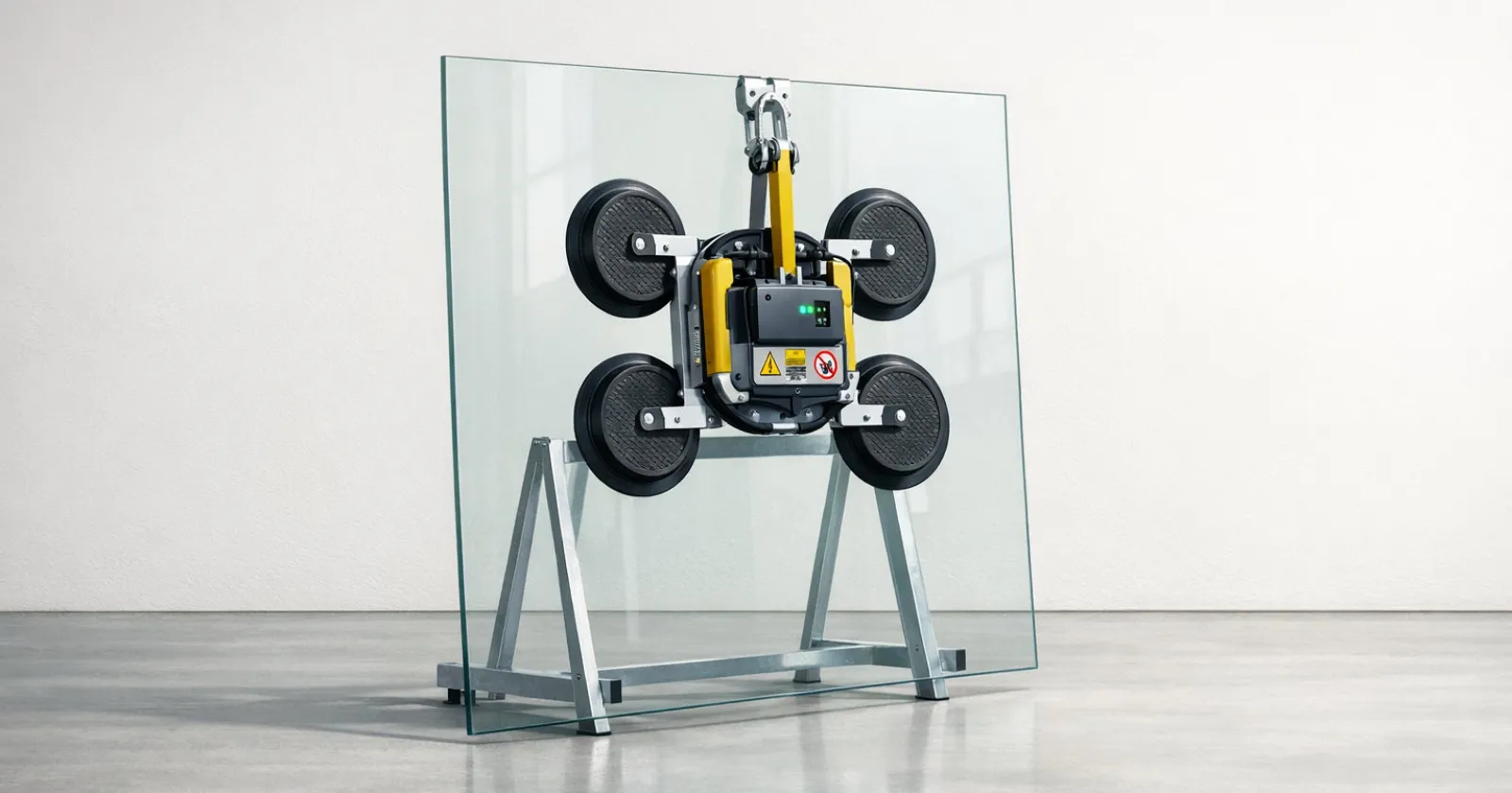
Safe lifting relies on dependable grip performance. Devices should be compatible with different glass surfaces and require attention to cleanliness and suction strength to help prevent accidental releases. Some glass lifter systems feature monitoring indicators and fail-safe mechanisms to promote safer handling on-site.
Operator training and regular inspection help ensure consistent performance and compliance with workplace regulations. Proper documentation, maintenance routines, and access to replacement parts can limit downtime and keep costs manageable throughout the equipment’s life. Careful selection at the outset can help maintain investment efficiency without adding unnecessary features.

Happy
0 %

Sad
0 %

Excited
0 %

Sleepy
0 %

Angry
0 %

Surprise
0 %
 0
0
 0
0