
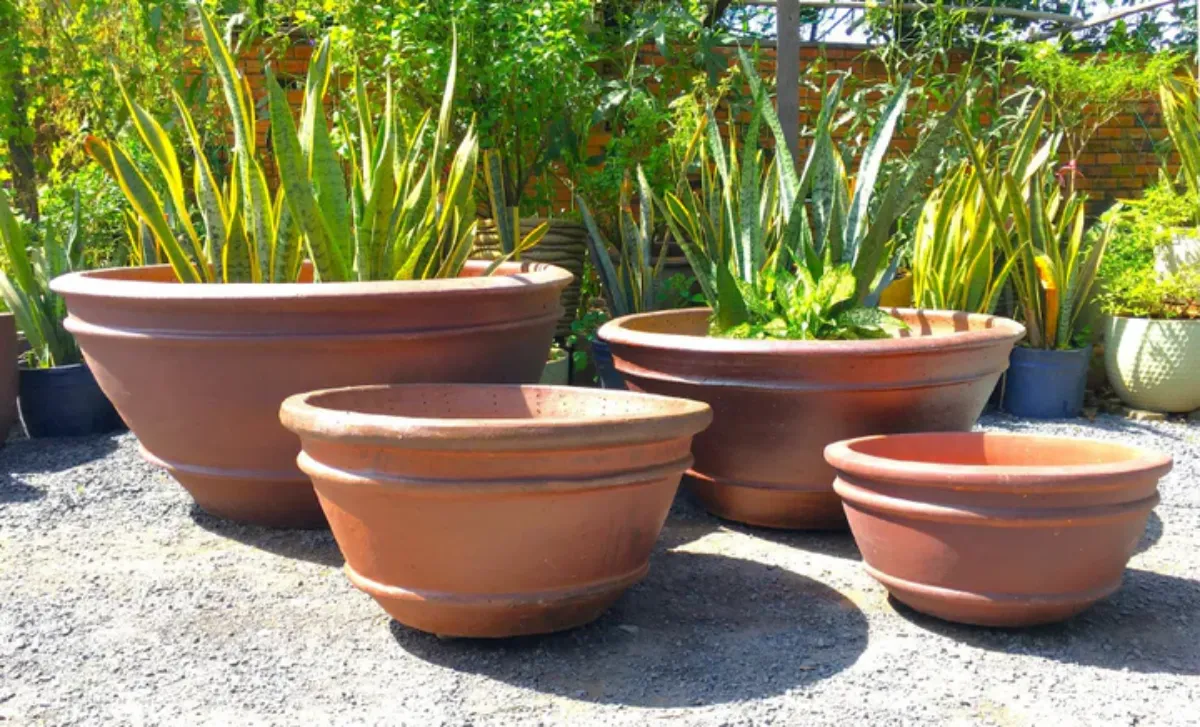
How to Choose Wholesale Pots for Plants
Read Time:2 Minute, 43 Second
Whether you run a garden center, nursery, landscaping business, or home décor store, selecting the right wholesale pots for plants is essential for both plant health and customer satisfaction. The right pots not only enhance the appearance of plants but also ensure proper growth, durability, and ease of maintenance. With numerous materials, sizes, and designs available, making the right choice can significantly impact your business success.
Consider the Pot Material
Plant pots are available in a variety of materials, each offering unique benefits. Understanding these differences can help you choose products that meet your customers’ needs.
Plastic Pots: Lightweight, affordable, and available in various sizes and colors.
Ceramic Pots: Attractive and decorative, making them ideal for indoor plants.
Terracotta Pots: Porous material that promotes airflow and prevents overwatering.
Fiber or Coir Pots: Eco-friendly options suitable for environmentally conscious buyers.
Metal Pots: Durable and stylish, often used for decorative purposes.
Selecting a mix of materials allows you to cater to different customer preferences and budgets.
Choose the Right Sizes
Plant pots come in a wide range of sizes, from small containers for succulents to large pots for trees and shrubs. When purchasing wholesale pots for plants, consider the types of plants your customers commonly grow.
Popular size categories include:
- Small pots for herbs, succulents, and indoor plants
- Medium pots for flowering plants and ornamental varieties
- Large pots for shrubs, fruit plants, and landscaping projects
Offering multiple size options helps customers find suitable pots for every stage of plant growth.
Prioritize Drainage Features
Proper drainage is one of the most important factors in plant health. Pots with drainage holes prevent water accumulation, reducing the risk of root rot and fungal diseases.
When evaluating wholesale plant pots, ensure they:
- Include sufficient drainage holes
- Support healthy root development
- Allow excess water to escape easily
Customers often prioritize functionality alongside appearance, making drainage an essential consideration.
Evaluate Durability and Weather Resistance
Outdoor plant pots must withstand changing weather conditions, including sunlight, rain, and temperature fluctuations. Durable materials reduce the likelihood of cracking, fading, or damage over time.
Look for pots that offer:
- UV resistance
- Crack resistance
- Long-lasting color retention
- Strong structural integrity
High-quality products result in fewer customer complaints and better long-term value.
Consider Design and Aesthetic Appeal
Plant pots are no longer just containers; they are decorative elements that complement homes, offices, and gardens. Modern consumers often seek stylish designs that enhance their spaces.
Popular trends include:
- Minimalist designs
- Textured finishes
- Neutral color palettes
- Geometric patterns
- Rustic and natural looks
Maintaining a diverse inventory ensures you can meet varying design preferences.
Compare Wholesale Supplier Quality
Before placing large orders, evaluate potential suppliers carefully. Reliable suppliers provide consistent product quality, competitive pricing, and timely delivery.
Key factors to assess include:
- Product quality standards
- Available designs and sizes
- Pricing structure
- Minimum order quantities
- Delivery capabilities
- Customer support
Requesting samples before bulk purchases can help verify product quality and suitability.
Final Thoughts
Choosing the right wholesale pots for plants involves balancing quality, functionality, durability, and visual appeal. By considering material, size, drainage, weather resistance, and design, businesses can build a product range that satisfies customer needs while supporting healthy plant growth. Partnering with a reputable wholesale supplier further ensures consistent quality and long-term business success.

Happy
0 %

Sad
0 %

Excited
0 %

Sleepy
0 %

Angry
0 %

Surprise
0 %
 0
0
 0
0