
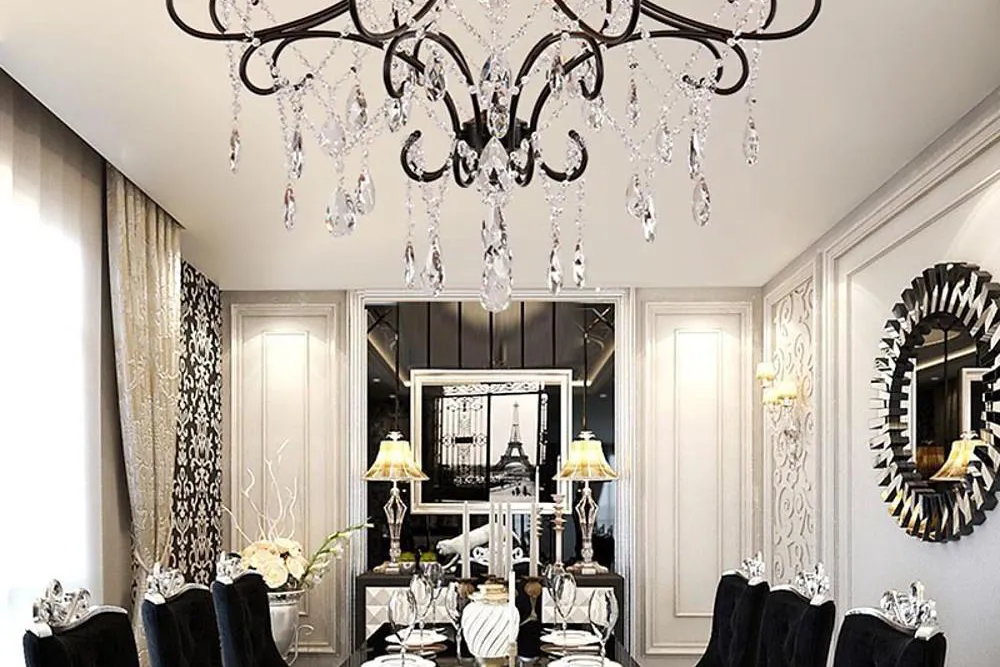
How to Add Vintage Character With a Candle Chandelier Without Making Your Home Feel Dated
Read Time:6 Minute, 2 Second
Vintage-inspired lighting can give a room the warmth and personality that many modern interiors lack. The challenge is using it without making the space feel like a historical set or an outdated formal dining room. A candle chandelier is especially effective because its familiar silhouette adds character while still working with farmhouse, transitional, industrial, and even contemporary décor.
The key is balance. Instead of filling the room with antique-style furniture and ornate accessories, allow the chandelier to provide the main historical reference. With the right size, finish, bulbs, and surrounding materials, it can make an ordinary room feel collected and welcoming rather than old-fashioned.
Let One Vintage Feature Lead the Room
When homeowners want more character, they sometimes add several vintage elements at once: distressed furniture, patterned wallpaper, decorative mirrors, heavy curtains, and an elaborate ceiling fixture. Individually, these pieces may be attractive, but together they can overwhelm the room.
A better approach is to choose one strong focal point. A thoughtfully proportioned vintage chandelier can establish the room’s personality without requiring every other item to match its period. Surround it with simpler furniture, clean walls, and a limited color palette. This contrast allows the craftsmanship and silhouette of the light to stand out while keeping the overall space fresh.
Match the Fixture to the Room’s Architecture
A chandelier feels convincing when it relates to the architectural details around it. In a home with ceiling beams, arched doorways, traditional molding, or a brick fireplace, a candle-style fixture can reinforce features that are already present. In a newer home with plain walls and minimal trim, the same chandelier creates an intentional point of contrast.
Pay attention to visual weight as well. An open metal frame usually feels lighter than a fixture with large shades or multiple tiers. This can make it suitable for rooms that need a focal point but cannot accommodate a visually bulky design. Tall, narrow chandeliers often work well in entryways, while wider designs are generally more comfortable above dining tables or centered seating arrangements.
Measure Before Choosing the Most Dramatic Option
Product images can make a chandelier appear smaller than it really is, especially when it is photographed in a large room. Check the listed diameter, height, chain length, and weight before buying. Use painter’s tape to outline the width over the table, or create a quick paper template to see how much space the fixture will occupy.
When installing a chandelier above a dining table, keep it narrow enough that people can stand up without feeling as though the fixture is directly over their heads. Its height should allow diners to see one another across the table without looking through the arms or bulbs. Around 30 to 36 inches between the tabletop and the bottom of the fixture is a common starting point, but ceiling height and fixture proportions should guide the final placement.
If the chandelier hangs in an open area rather than above furniture, provide sufficient head clearance for everyone in the household. Remember that decorative crystals, finials, or hanging ornaments may extend lower than the main frame.
Use the Finish to Connect Old and New
The finish has a major influence on whether a vintage fixture feels timeless or dated. Matte black creates a crisp outline and works naturally with black window frames, cabinet hardware, and modern furniture. Antique brass introduces warmth and pairs well with wood, cream-colored textiles, and muted green or blue walls. Weathered finishes feel more rustic, while polished metal makes the traditional form look more refined.
You do not need to match every metal finish exactly. A room often feels more natural when it includes two or three compatible finishes. For example, an aged brass chandelier can sit comfortably above a table with black legs, especially when small brass details appear elsewhere. Repetition matters more than perfect matching.
Choose Bulbs for Comfort, Not Just Appearance
The exposed lights are part of the appeal of candle chandeliers, but they can also create glare if the bulbs are too bright. This is particularly noticeable above a dining table, where the light sources may be close to eye level.
Look for candelabra bulbs that suit both the fixture specifications and the atmosphere you want to create. Clear filament-style bulbs emphasize the traditional candle effect, while frosted bulbs produce a softer appearance. Warm white light typically complements vintage finishes, wood furniture, and relaxed dining spaces.
A compatible dimmer adds useful flexibility. Brighter light can support cleaning, serving food, or completing homework at the table. Lower illumination makes family dinners and evening gatherings feel more comfortable. Before installation, confirm that the bulbs, fixture, and dimmer are designed to work together.
Balance Ornament With Simple Surroundings
Crystal drops, curved arms, bead details, and decorative candle sleeves can make a chandelier memorable. However, the more detail the fixture has, the calmer its surroundings should be. A chandelier with crystals might look best above a simple wood table rather than one with a heavily carved base. Plain curtains and solid-color upholstery can also prevent the room from feeling visually crowded.
Mixing styles can make the result more personal. Try pairing a traditional chandelier with contemporary dining chairs, a streamlined console, or modern artwork. Natural materials such as linen, leather, stone, and unfinished wood help bridge the gap between periods. The goal is not to recreate a particular decade but to build a room that feels as though it has evolved over time.
Plan for Cleaning and Maintenance
An open candle chandelier may be easier to dust than a fixture with enclosed glass shades, but curved arms and hanging ornaments still require attention. Consider how safely you can reach it before deciding on the installation height. A microfiber cloth or soft duster is usually more practical for routine care than removing individual decorative pieces.
Fixtures installed near kitchens may collect airborne grease more quickly, so simpler frames are helpful in open-plan cooking and dining areas. Always turn off the power and allow bulbs to cool before cleaning. Follow the manufacturer’s instructions for crystal, metal, and painted surfaces, since strong household cleaners can damage some finishes.
Do Not Overlook Installation Requirements
Vintage-style chandeliers can be heavier than standard ceiling lights, particularly when they include metal frames or crystal accents. The ceiling electrical box must be rated to support the fixture’s weight. Adjustable chains and cords also need to be secured properly so the chandelier remains level.
Hiring a qualified electrician is advisable when replacing the electrical box, installing a dimmer, working with high ceilings, or mounting a substantial fixture. Professional installation protects the chandelier and helps ensure that its height and alignment are correct before the room is put back together.
Create a Home That Feels Collected, Not Dated
A vintage candle chandelier can bring depth to a room without dictating the entire decorating scheme. Choose a size that respects the furniture below it, control glare with suitable bulbs, and balance ornate details with cleaner surroundings. When old and new elements are combined thoughtfully, the result feels warm, individual, and relevant to everyday life—a home with history in its style, but none of the heaviness associated with outdated décor.

Happy
0 %

Sad
0 %

Excited
0 %

Sleepy
0 %

Angry
0 %

Surprise
0 %
 0
0
 0
0