The True Cost of a Kenya Safari, Unvarnished
Read Time:5 Minute, 50 Second
Safari is known as a holiday for the rich. That reputation is out of date. The reality is that Kenya has a variety of prices and knowing what makes up the price enables a discerning traveller to create a substantial safari without a lavish budget.
Begin with the costs that are the same for everyone, no matter how they get around. The entrance fees to the parks are fixed and non-negotiable, determined by the authorities and paid on a per person per day basis. On the Masai Mara they spend about one hundred US dollars per day during the first half of the year and about twice that during the second half when it is busier. Over a week that includes a number of parks, fees alone represent a significant portion of the total. These are typically omitted in any quote that seems suspiciously low. This is why an all-inclusive Kenya safari makes the price easy to compare.
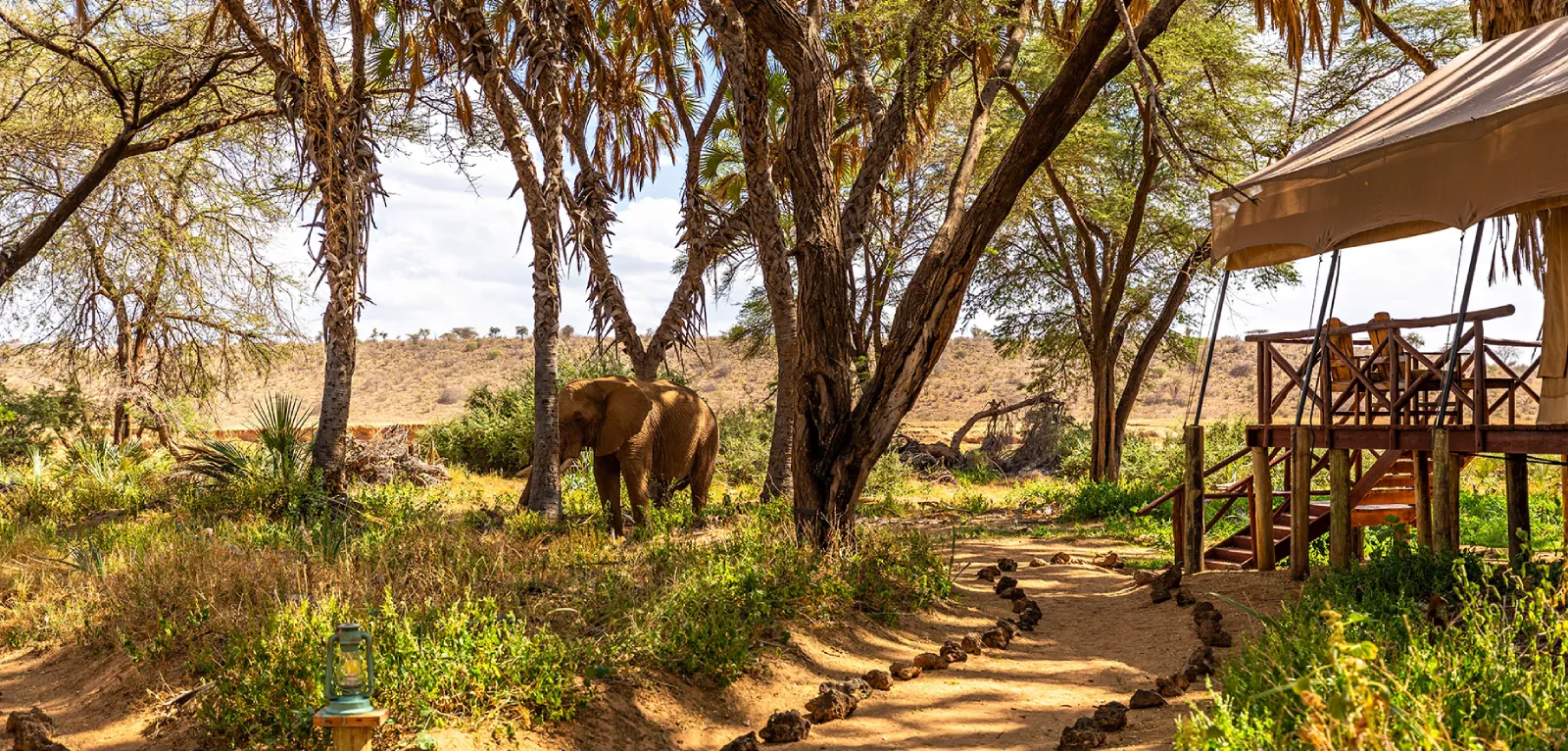
The next expense is lodging, and this is where the price range really starts to widen. Simple tented camps and modest lodges are used on budget trips, comfortable lodges with good food and private bathrooms are used on mid-range trips, and small exclusive camps that cost several times more per night are used on luxury trips. All the animals outside the tent are the same. The price you pay is for the bed, the service, and the number of other guests staying at the property.
The third pillar is transport. The standard is a road safari in good condition with a driver-guide, which is much less expensive than flying between parks in light aircraft. Fly-in safaris are quicker and are ideal for short trips or remote camps, but come at a high price. For the budget-conscious traveller, the road trip through the Great Rift Valley is more scenic and less expensive, albeit with longer transfer days.
The per-person price is controlled quietly by group size. The vehicle, guide and fuel are the same regardless of whether one person or five people are in the vehicle, so the more people that share the costs, the less each person pays. A couple pays more per person than a group of four. That is why family and friend groups can often get more for their money than solo travellers, and why some operators provide set-departure trips where strangers can share a car to save money.
Season makes a difference in the total more than people realize. Lodge rates and park fees are higher during peak months around the migration. The green season from March to May offers reduced prices, less crowd and greenery, but with a bit of rain and a little more difficulty in spotting game as they disperse. One who is not particular about the dates can save a lot by avoiding the peak.
The one most important budgeting idea is all-inclusive pricing. If a package includes park fees, accommodation, the vehicle and guide, meals and airport transfers, then you can compare packages fairly and avoid the drip of additional charges that can ruin a budget. When you book an all-inclusive Kenya safari, you’ll find that the number you agree on is almost the number you spend, with only tips, drinks and personal shopping on top. A low headline price followed by extra charges for park fees, transfers and meals can cost more than a straightforward all-inclusive quote.
There are some expenses that are not included in nearly all packages and should be part of any realistic budget. International flights to Nairobi are different and fluctuate depending on the season and booking time. Entry authorisation is thirty US dollars and is done online prior to travel. Travel insurance is a must for a trip like this. It is customary to tip the guide at the end, and this should be planned for, not a surprise.
Where does a discerning traveler cut without cutting the fun? Travel during shoulder season. Opt for mid-range lodges rather than luxury camps. Avoid flying and stick to a road safari. Form a car pool to share the driving expenses. Reduce park usage and fewer transfer days. All of these save real cash, but do not change the essence of the safari, the game drives and the wildlife.
Where is it wrong for a traveller to cut? The guide and the car. A low-cost provider with worn down equipment and inexperienced guides will save you some money initially and will cost you a lot in breakdowns, missed sightings and stress. The guide is the difference between a good trip and a forgettable one, and it is the last place to economise.
A general idea of the numbers helps to set expectations. A basic guideline is that a budget road safari with simple camps could cost in the region of one hundred and fifty to two hundred and fifty US dollars per person per day, including park fees, a shared vehicle, a guide, food and basic accommodation. The mid-range trip is comfortable and costs between two hundred and fifty and four hundred and fifty per person per day. Luxury with small exclusive camps and fly-in transfers starts high and goes much higher. These are not quotes, but ballpark figures that vary with season, group size, and parks selected, and indicate the range and where a particular comfort level falls.
Be aware of the hidden costs behind a headline price. Park fees billed separately on arrival. Meals or drinks not included at certain lodges. Extra charges for airport transfers. Memorable splurges such as a balloon flight, which can cost several hundred dollars per person, are often optional. Single traveller supplements, which charge a higher rate for a single traveller who is not sharing a room. These are often in the fine print when compared to an all-inclusive competitor and can quickly become expensive. The best way to compare is to ask each operator for one number that excludes international flights, insurance, tips and personal spending.
For those who want to save money, the green season is worth a second look. The prices of lodging decrease, the fees for parks are less, and the same parks that are packed with vehicles in August are practically empty in April. The trade is some rain, typically in short afternoon showers and animals that disperse a little as water becomes available. For a traveller who values space and cost over guaranteed migration drama, that trade is often worth making, and the green country photographs beautifully.
The luxury image belies the fact that a serious Kenya safari is within reach of far more travellers. Know the fixed costs, be honest about your comfort level, plan your travel wisely according to the number of people in your group, and demand all-inclusive pricing that you can compare. Do that and the trip will cost what it should and there won’t be any unpleasant surprises at the lodge desk.

Happy
0 %

Sad
0 %

Excited
0 %

Sleepy
0 %

Angry
0 %

Surprise
0 %
 0
0
 0
0