
Mechanical Loading and Bone Health: The Role of Exercise in Osteoporosis Prevention
Read Time:4 Minute, 3 Second
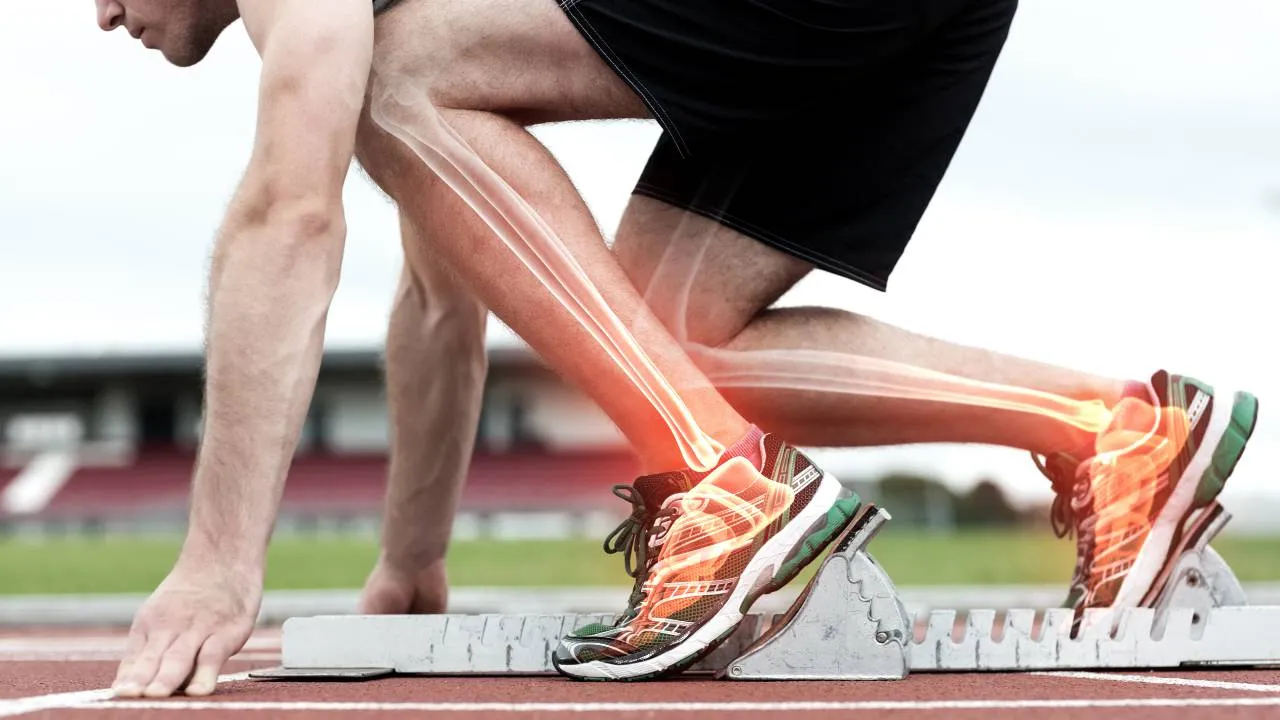
Osteoporosis is a prevalent condition characterized by diminished bone density and weakened bone structure, leading to an increased risk of fractures. While pharmaceutical interventions play a significant role in managing osteoporosis, lifestyle factors, particularly exercise, are crucial in preventing the onset of this disease. Mechanical loading, induced by physical activity, stimulates bone remodeling and enhances bone strength. This article delves into the role of exercise in osteoporosis prevention, highlighting the mechanisms through which mechanical loading promotes bone health.
The Science of Mechanical Loading
Mechanical loading refers to the physical forces exerted on bones during activities such as walking, running, jumping, and resistance training. These forces generate mechanical strain, which is sensed by osteocytes—specialized bone cells embedded within the bone matrix. Osteocytes act as mechanosensors, translating mechanical signals into biochemical responses that regulate bone remodeling.
Mechanisms of Bone Remodeling
Bone remodeling is a continuous process involving the resorption of old bone by osteoclasts and the formation of new bone by osteoblasts. Mechanical loading influences this process through several mechanisms:
- Activation of Osteocytes: Mechanical strain activates osteocytes, leading to the release of signaling molecules such as nitric oxide (NO) and prostaglandins (e.g., PGE2). These molecules stimulate the recruitment and differentiation of osteoblasts, promoting bone formation.
- Inhibition of Osteoclast Activity: Mechanical loading suppresses the activity of osteoclasts, reducing bone resorption. This is mediated by the downregulation of receptor activator of nuclear factor-kappa B ligand (RANKL), a key regulator of osteoclastogenesis.
- Enhanced Wnt Signaling: The Wnt signaling pathway is critical for osteoblast differentiation and bone formation. Mechanical loading enhances Wnt signaling, leading to increased osteogenic activity and bone mass.
Types of Exercise for Bone Health
Not all exercises are equally effective in promoting bone health. Weight-bearing and resistance exercises are particularly beneficial for osteoporosis prevention due to their ability to generate significant mechanical loading on bones.
Weight-Bearing Exercises
Weight-bearing exercises involve activities that require the body to work against gravity. These exercises promote bone density by generating compressive forces on the skeleton. Examples of weight-bearing exercises include:
- Walking: A simple yet effective weight-bearing exercise that stimulates bone remodeling in the lower extremities.
- Running and Jogging: Higher-impact activities that generate greater mechanical loading and enhance bone density.
- Jumping and Hopping: Plyometric exercises that create rapid, high-impact forces, stimulating bone formation.
Resistance Training
Resistance training, also known as strength training or weight lifting, involves the use of weights or resistance bands to create mechanical strain on muscles and bones. This type of exercise is particularly effective in increasing bone density and strength. Examples of resistance training exercises include:
- Weight Lifting: Exercises such as squats, deadlifts, and bench presses that target major muscle groups and generate substantial mechanical loading on bones.
- Resistance Band Exercises: Flexible and versatile exercises that provide varying levels of resistance, suitable for individuals of different fitness levels.
- Bodyweight Exercises: Exercises such as push-ups, pull-ups, and lunges that use the body’s weight as resistance to promote bone health.
Exercise Prescription for Osteoporosis Prevention
To maximize the benefits of exercise for bone health, it is essential to follow a well-rounded exercise prescription that includes both weight-bearing and resistance exercises. The following guidelines can help individuals design an effective exercise program:
- Frequency: Aim for at least 150 minutes of moderate-intensity weight-bearing exercise per week, combined with two to three resistance training sessions.
- Intensity: Incorporate a mix of moderate and high-impact activities to generate sufficient mechanical loading on bones.
- Duration: Each exercise session should last between 30 to 60 minutes, depending on the intensity and type of activity.
- Variety: Include a variety of exercises targeting different muscle groups and bones to ensure comprehensive bone health benefits.
Considerations for Special Populations
While exercise is beneficial for most individuals, certain populations may require special considerations:
- Elderly Individuals: Older adults should focus on low to moderate-impact exercises to reduce the risk of injury. Balance and flexibility exercises can also help prevent falls and fractures.
- Individuals with Osteoporosis: Those diagnosed with osteoporosis should consult healthcare professionals before starting an exercise program. Supervised exercises with a focus on safety and proper technique are recommended.
- Postmenopausal Women: Women who have undergone menopause experience a rapid decline in bone density. Regular weight-bearing and resistance exercises can help mitigate this bone loss.
Conclusion
Exercise, particularly weight-bearing and resistance training, plays a vital role in preventing osteoporosis by promoting bone density and strength through mechanical loading. Understanding the mechanisms of bone remodeling and incorporating a well-rounded exercise program can help individuals maintain healthy bones and reduce the risk of fractures. As research continues to explore the benefits of exercise for bone health, the importance of physical activity in osteoporosis prevention becomes increasingly evident. By embracing an active lifestyle, individuals can take proactive steps toward preserving their bone health and enhancing their overall quality of life.

Happy
0 %

Sad
0 %

Excited
0 %

Sleepy
0 %

Angry
0 %

Surprise
0 %
 0
0
 0
0