The Best Car Detailing Techniques for Different Types of Paint
Read Time:5 Minute, 42 Second
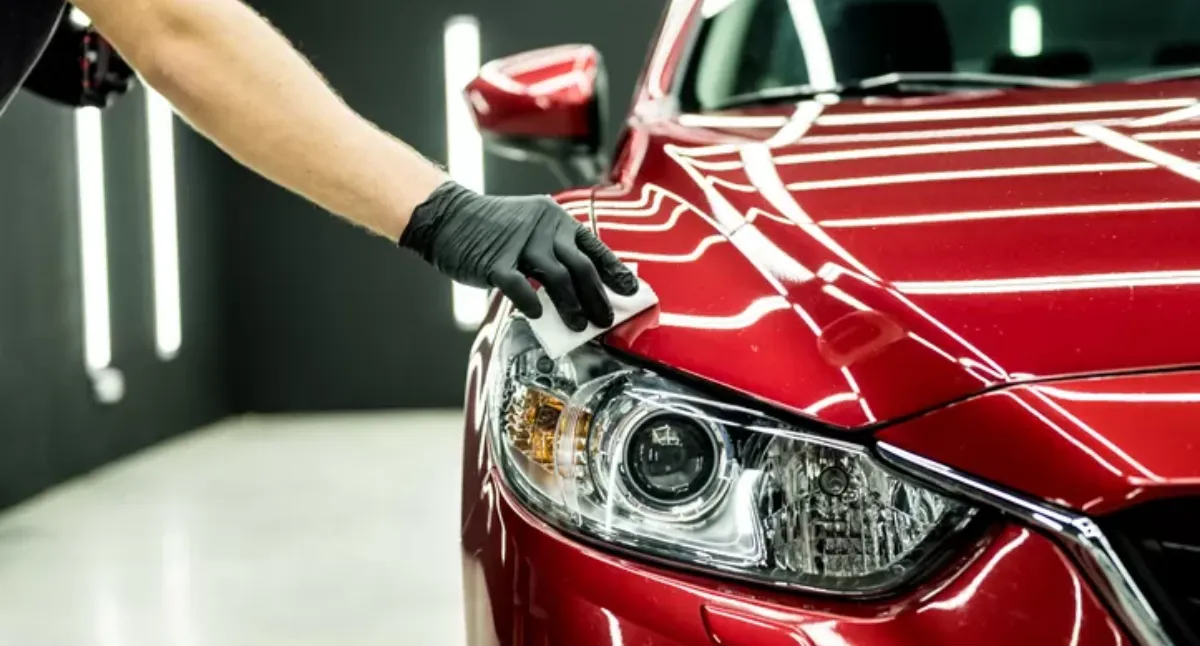
When it comes to car detailing Calgary, one size does not fit all, especially when dealing with different types of automotive paint. Whether your car sports a metallic finish, matte, or the classic gloss, each paint type requires a specific approach to maintain its shine and longevity. Understanding how to care for your car’s specific paint job will not only enhance its appearance but also extend its lifespan. Let’s dive into the best car detailing techniques for different types of paint.
1. Understanding Different Types of Paint Finishes
Before detailing, it’s crucial to recognize the type of paint finish your car has:
- Gloss Paint: The most common type of automotive paint, with a smooth, shiny surface that reflects light.
- Metallic Paint: Similar to gloss, but with metallic flakes mixed into the paint, giving it a more sparkly appearance.
- Matte Paint: A flat, non-reflective finish that offers a unique, modern look but requires special care to avoid damaging the surface.
- Pearlescent Paint: A high-end finish that shifts colors depending on the light and angle, creating a shimmering effect.
Each of these paint types has unique properties and requires a tailored approach to detailing.
2. Best Detailing Techniques for Gloss Paint
Washing
For gloss paint, the key is to avoid swirl marks and micro-scratches, which can dull the shine over time. Follow these steps:
- Two-bucket method: Use one bucket for clean, soapy water and another for rinsing the wash mitt. This prevents dirt from re-entering the soapy water.
- Use a foam cannon: A foam cannon can apply a thick layer of suds, lifting dirt off the surface before you start washing.
- Microfiber wash mitt: Always use a microfiber or lamb’s wool mitt to gently wash the surface without scratching it.
Polishing
Polishing helps remove imperfections like light scratches, swirl marks, and oxidation.
- Machine polishing: A dual-action polisher is ideal for safely removing imperfections on gloss paint.
- Use fine polishes: Start with a less abrasive polish, especially if your paint is in good condition, to avoid removing too much of the clear coat.
Waxing/Sealing
Gloss paint benefits from regular waxing to enhance shine and protect against environmental damage.
- Carnauba wax: Provides a deep, warm shine but may need frequent reapplication.
- Paint sealants: Synthetic alternatives that offer longer-lasting protection, sometimes up to six months.
3. Best Detailing Techniques for Metallic Paint
Metallic paint, while similar to gloss, has tiny metallic flakes that reflect light differently. This type of paint requires additional care to ensure the flakes maintain their brilliance.
Washing
Foam cannon pre-wash: Like gloss, metallic paint can show swirls and scratches easily, so pre-soaking with a foam cannon is essential.
Use soft wash mitts: Stick to high-quality, soft wash mitts to avoid scratching the surface.
Claying
Metallic paint is prone to contamination from road grime and environmental pollutants. Using a clay bar after washing will remove these contaminants and leave the surface smooth, allowing the metallic flakes to shine through.
Clay bar or mitt: Regularly using a clay bar or mitt will ensure contaminants are lifted without harming the paint.
Polishing
When polishing metallic paint, the goal is to highlight the reflective flakes.
Light polish: Metallic paints can be more sensitive to heavy compounding, so start with a fine polish to bring out the best in the finish without dulling the metallic particles.
Waxing/Sealing
Synthetic sealants: A synthetic sealant can enhance the metallic finish and provide long-lasting protection, ensuring the metallic particles remain brilliant.
Carnauba wax: A layer of natural wax can be applied after a sealant for extra depth and shine.
4. Best Detailing Techniques for Matte Paint
Matte paint is incredibly eye-catching but notoriously difficult to maintain. Its flat, non-reflective surface can be easily damaged by improper detailing.
Washing
- No waxing or polishing: Matte paint should never be polished or waxed, as these products are designed to enhance gloss.
- Use specialized matte wash products: Regular car soap can leave streaks or shiny spots on matte finishes, so it’s crucial to use products specifically designed for matte surfaces.
- Gentle washing: Always use a microfiber wash mitt and the two-bucket method to avoid embedding dirt into the paint. A foam cannon can also be beneficial in minimizing physical contact with the surface.
Protection
- Matte paint sealants: To protect matte paint, use sealants specifically formulated for this type of finish. These products will maintain the flat look while adding a protective layer against UV rays and contaminants.
- Avoid carnauba wax: Waxes can add an unwanted sheen to matte paint, which defeats the purpose of the flat finish.
Spot Cleaning
Matte finishes can show stains more easily, so it’s important to address bird droppings, tar, and other contaminants immediately.
Matte detailing spray: Keep a matte-specific detailing spray handy for spot cleaning between washes.
5. Best Detailing Techniques for Pearlescent Paint
Pearlescent paints, also known as pearl or opalescent paints, shift colors depending on the viewing angle and lighting. This luxurious finish needs special care to maintain its shifting colors and depth.
Washing
- Gentle wash: Like metallic paint, pearlescent finishes can be sensitive to scratches. Use a soft wash mitt and the two-bucket method to clean the car carefully.
- Foam pre-wash: A foam cannon is highly recommended to loosen dirt and contaminants before touching the paint.
Polishing
- Use a light polish: The goal when polishing pearlescent paint is to refine the surface without dulling the complex color shifts. Light polishes or even polishing glazes can help bring out the depth and luster without affecting the pearlescent effect.
Waxing/Sealing
- Synthetic sealants: A clear, synthetic sealant can enhance the pearl finish’s depth and protect it from UV rays.
- Layered protection: After sealing, a light coat of carnauba wax can be added to further enhance the depth of the pearlescent finish, giving it a richer appearance in different lighting conditions.
6. General Tips for All Paint Types
Regardless of the type of paint, there are some general detailing practices that apply to all finishes:
- Regular Maintenance: Wash your car at least twice a month to prevent contaminants from embedding in the paint.
- Avoid Direct Sunlight: Always wash and detail in the shade to prevent water spots and premature drying of products.
- Microfiber Towels: Always dry and buff your car with clean, soft microfiber towels to prevent scratches and streaks.
Conclusion
Detailing your car according to its specific paint type is essential for maintaining both its aesthetic appeal and protective qualities. Gloss and metallic paints need care to prevent swirl marks, while matte finishes require special products to preserve their non-reflective surface. Pearlescent paints, with their color-shifting properties, benefit from careful polishing and sealing. With the right techniques and products, you can keep your car’s paint looking its best for years to come.

Happy
0 %

Sad
0 %

Excited
0 %

Sleepy
0 %

Angry
0 %

Surprise
0 %
 0
0
 0
0