Do U.S. Citizens Need an International Driving Permit in Peru?
Read Time:3 Minute, 46 Second
Peru is a country of breathtaking landscapes, from the towering Andes to the coastal deserts and the Amazon rainforest. Whether you’re planning a road trip along the Pacific coast, driving through the Sacred Valley, or navigating the bustling streets of Lima, having your own transportation can offer incredible flexibility. However, many U.S. travelers wonder if they need an International Driving Permit (IDP) to drive legally in Peru.
Do U.S. Citizens Need an International Driving Permit in Peru?
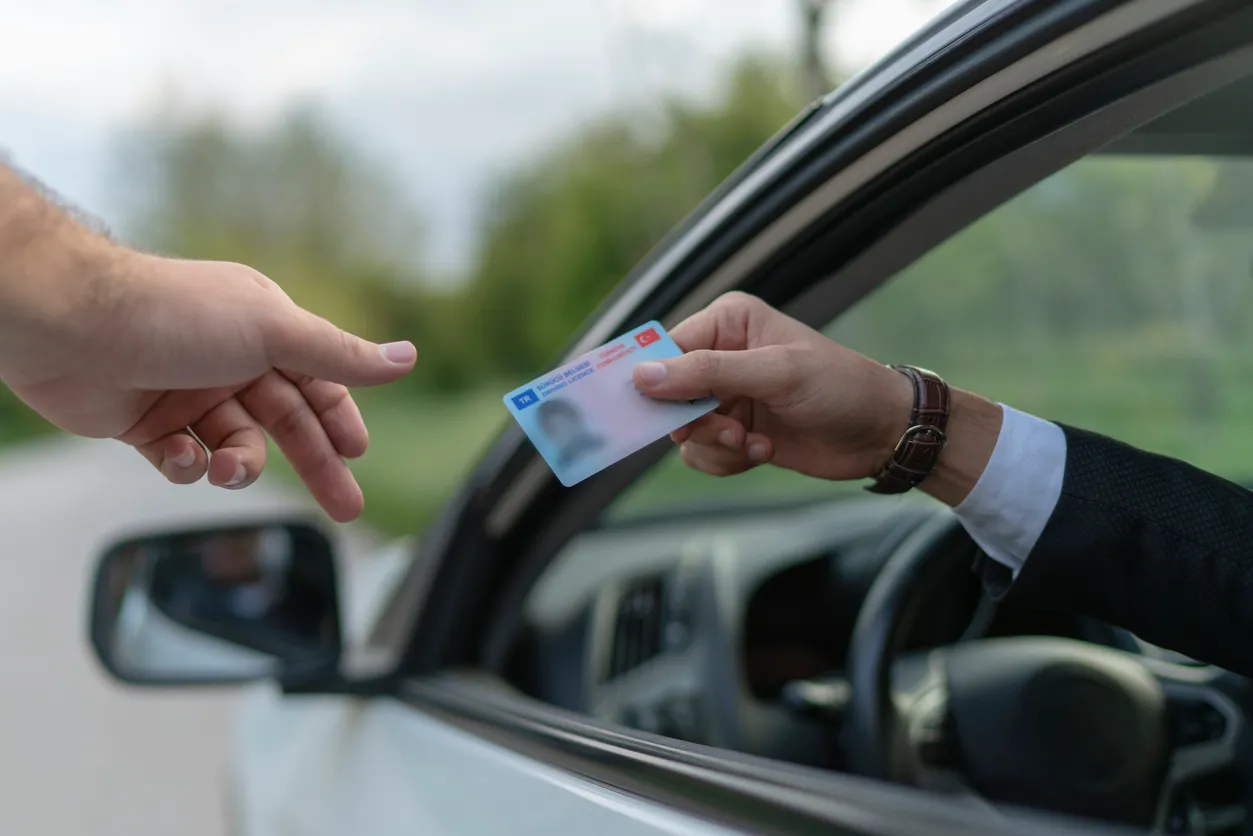
U.S. citizens can drive in Peru using their valid U.S. driver’s license for up to 30 days as a tourist. If staying longer, an International Driving Permit (IDP) is recommended to avoid issues with police and rental agencies. While not always required, an IDP provides a Spanish translation of your license and may be necessary for insurance coverage.
- Translation and Recognition – An IDP provides a Spanish translation of your U.S. license, making it easier for local authorities and rental agencies to understand.
- Police Checkpoints – While police may accept a U.S. license alone, having an IDP can help avoid potential misunderstandings or fines.
- Car Rental Requirements – Some rental companies may ask for an IDP in addition to your U.S. license.
- Insurance Purposes – Certain travel insurance policies may require an IDP for coverage in case of an accident.
How to Obtain an International Driving Permit in the U.S.
While an IDP is not mandatory in Peru, it’s easy to obtain and can prevent unnecessary hassle. Here’s how U.S. citizens can get IDP:
- Check the Correct IDP Type Peru recognizes IDPs issued under the 1949 Geneva Convention, which is the version available to U.S. citizens.
- Apply Through AAA or AATA
- The American Automobile Association (AAA) and American Automobile Touring Alliance (AATA) are the only authorized issuers in the U.S.
- Applications can be submitted in person or by mail.
- Prepare the Necessary Documents
- A valid U.S. driver’s license.
- A passport-sized photo.
- A completed IDP application form.
- A processing fee (usually around $20).
- Receive Your IDP Processing times vary, but if applying in person, you can receive your IDP the same day.
Renting a Car in Peru
If you prefer the comfort and safety of a car, renting one is a great option for exploring Peru’s diverse landscapes. Here’s what to expect:
Requirements for Renting a Car
- A valid U.S. driver’s license is required.
- An IDP is recommended but not always mandatory.
- Minimum rental age is usually 21-25 years old, depending on the company.
- A credit card deposit is required for most rentals.
Types of Rental Cars Available
- Compact Cars – Best for city driving (Lima, Cusco, Arequipa).
- SUVs and 4x4s – Recommended for driving in the Andes or the Amazon.
- Luxury Cars – Available in Lima but expensive.
Cost of Renting a Car
- Economy cars: $30 – $50 per day.
- SUVs: $50 – $100 per day.
- 4×4 vehicles: $80 – $150 per day.
- Additional fees for GPS, insurance, and additional drivers.
Driving Tips for Peru
- Traffic in Lima is chaotic—drive with caution.
- In the Andes, be prepared for steep, winding roads.
- Police checkpoints are common—always carry your license, IDP (if available), and rental documents.
- Avoid driving at night due to poor road conditions and unexpected hazards.
Quick Q&A: Driving in Peru as a U.S. Citizen
Do U.S. citizens need an International Driving Permit (IDP) in Peru?
Not legally, but it is highly recommended for translation and insurance purposes.
Where can I get an IDP in the U.S.?
At AAA or AATA, either in person or by mail.
How long can I drive in Peru with a U.S. license?
Up to 6 months as a tourist.
Can I rent a motorcycle in Peru without an IDP?
Some agencies may allow it, but having an IDP can prevent legal and insurance issues.
What’s the minimum age to rent a vehicle in Peru?
Usually 21-25 years old, depending on the rental company.
What are the main risks of driving in Peru?
- Poor road conditions in rural areas.
- Unpredictable traffic, especially in Lima.
- High-altitude driving challenges in the Andes.
- Potential police checkpoints requiring documents.
What are the alternatives to renting a car or motorcycle?
- Taxis and ride-hailing apps (Uber, InDriver).
- Buses – Affordable long-distance options.
- Domestic flights – Faster travel between major cities.
By understanding Peru’s driving rules and road conditions, U.S. travelers can enjoy a smooth and exciting journey across this beautiful country.

Happy
0 %

Sad
0 %

Excited
0 %

Sleepy
0 %

Angry
0 %

Surprise
0 %
 0
0
 0
0