What’s Changing in Global Container Shipping in 2026 (and Why It Matters for Businesses)
Read Time:3 Minute, 36 Second
A More Volatile Shipping Environment
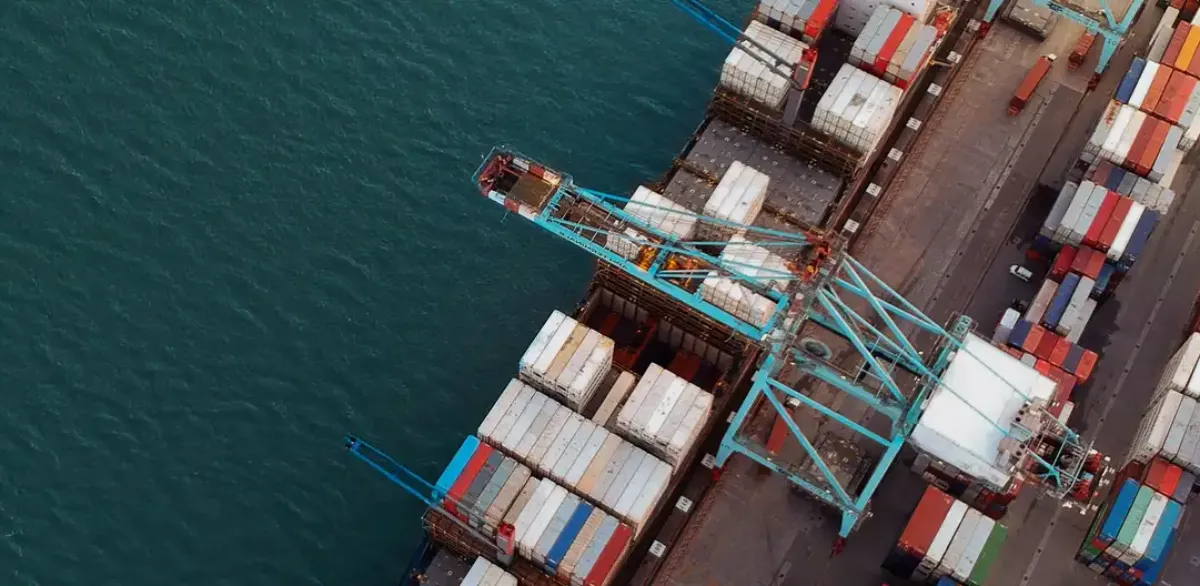
Global container shipping has entered a new phase. What used to be occasional disruptions has become a structural shift. In 2026, instability is no longer an exception—it is part of how global logistics operates.
For businesses, this shift changes the role of logistics. Shipment tracking and visibility are no longer secondary tasks. They directly affect costs, planning, and customer relationships.
Route Instability and Longer Transit Times
Key trade routes remain under pressure. Ongoing risks in the Red Sea continue to force carriers to reroute vessels via the Cape of Good Hope. This adds up to two weeks to transit times on Asia–Europe routes.
At the same time, shipping schedules have become less reliable. Blank sailings, port congestion, and last-minute route changes are now common. Carriers are prioritizing flexibility over strict schedules.
For businesses, this leads to planning challenges. Inventory buffers increase, forecasts become less accurate, and more capital is tied up in goods in transit.
Indirect Costs Are Rising
Freight rates are no longer the only concern. Indirect costs—often less visible—are becoming more significant.
A delay in one shipment can trigger a chain reaction: missed warehouse slots, additional handling, storage fees, and demurrage charges. These costs accumulate quickly and are difficult to predict at the booking stage.
As a result, logistics expenses become less stable, directly affecting margins—especially for small and mid-sized businesses.
Fragmented Data Slows Down Decision-Making
Shipment data is still distributed across multiple carrier systems. Each shipping line provides tracking information in its own format, with different update frequencies and event structures.
In many companies, tracking remains manual. Teams check multiple websites, collect updates, and consolidate them in spreadsheets. This process is time-consuming and increases the risk of errors.
Without a unified view, businesses react slower to disruptions. Instead of managing exceptions, teams spend time gathering basic information.
Real-Time Visibility Is Becoming Standard
To address these challenges, companies are moving toward real-time tracking and automation.
Instead of manually checking shipment statuses, businesses rely on event-based updates. Notifications about delays, departures, or arrivals allow teams to act immediately.
This is made possible by APIs and data aggregation platforms. Rather than integrating with each carrier separately, businesses can access normalized tracking data through a single interface. Solutions like timetocargo.com, for example, aggregate data across shipping lines and provide API access for integration into internal systems.
This reduces manual work, speeds up response times, and makes tracking scalable.
Predictability Is More Important Than Speed
In a volatile environment, consistency matters more than speed. A shipment that arrives predictably is easier to manage than one that arrives faster but unpredictably.
Businesses are increasingly focusing on reliability. Carrier selection and route planning now depend on historical performance data, not just transit time.
This shift reflects a broader change: logistics is becoming more data-driven.
Customer Expectations Are Increasing
Visibility is no longer optional. Customers expect regular updates and transparency throughout the shipping process.
In B2C logistics, tracking has long been standard. In 2026, similar expectations apply to B2B shipments. Clients want to know where their cargo is and when it will arrive.
Lack of communication reduces trust. On the other hand, timely updates—even in case of delays—help maintain strong relationships.
The Digitalization Gap Is Growing
Companies are adapting at different speeds. Some have automated tracking and integrated logistics data into their workflows. Others still rely on manual processes.
This creates a gap in efficiency. Digitally advanced businesses respond faster, reduce costs, and make better decisions. Those relying on manual tracking face delays and operational inefficiencies.
In 2026, this gap is becoming a competitive factor.
What Businesses Should Do
To adapt, companies need to rethink their logistics processes.
- Identify and reduce manual tracking tasks
- Centralize shipment data into a single system
- Use APIs to automate updates and workflows
- Treat visibility as a core operational capability
Conclusion
Global container shipping in 2026 is defined by instability, rising indirect costs, and fragmented data. These challenges are unlikely to disappear soon.
Businesses cannot control disruptions, but they can control how they respond. Companies that invest in visibility and automation are better positioned to manage costs, improve operations, and maintain customer trust.
In today’s environment, shipment visibility is no longer an advantage—it is a necessity.

Happy
0 %

Sad
0 %

Excited
0 %

Sleepy
0 %

Angry
0 %

Surprise
0 %
 0
0
 0
0