Why Price Transparency Drives Repeat Orders in the B2B Battery Supply Chain
Read Time:7 Minute, 7 Second
In B2B automotive parts trading, trust is rarely built through marketing alone. It is built through consistency, speed, and clear commercial terms. One of the most overlooked drivers of long-term buyer loyalty is price transparency. When distributors, workshops, importers, and fleet maintenance teams can clearly understand what they are paying for, why pricing changes, and what stock is actually available, they are far more likely to place repeat orders with confidence.
This matters even more in the hybrid segment, where sourcing can be uneven, testing standards vary, and buyers need dependable access to working inventory rather than one-off deals. For commercial buyers, transparent pricing is not just a procurement preference. It supports forecasting, protects margins, reduces disputes, and strengthens operational continuity.
As the market for used and tested hybrid batteries grows, suppliers that communicate clearly on stock condition, model availability, and the real car battery price behind bulk supply are positioned to earn more than a sale. They earn repeat business.
Why price transparency matters more in B2B than in retail
Retail buyers often make one-time purchases based on convenience or urgency. B2B buyers operate differently. A workshop may need a steady flow of tested units for popular hybrid models. A parts distributor may be balancing resale margins across multiple markets. A fleet maintenance team may be trying to control downtime while keeping procurement predictable.
In each of these cases, unclear pricing creates friction. Hidden cost variables, delayed quotations, or vague battery grading can slow purchasing decisions and damage trust. By contrast, a supplier that provides quick stock confirmation, explains pricing logic, and offers realistic alternatives when a model is unavailable becomes easier to work with over time.
That ease matters. Repeat orders often go to the supplier who reduces uncertainty, not just the one offering the cheapest quote on a single shipment.
The hidden costs of unclear battery pricing
Many businesses focus only on the unit cost when comparing suppliers. But poor price transparency can trigger wider commercial issues that are far more expensive than a slightly higher initial quote.
- Margin pressure: If pricing is inconsistent or incomplete, resellers struggle to price confidently for their own customers.
- Procurement delays: Teams spend extra time clarifying specifications, testing status, shipping terms, or stock condition.
- Order disputes: Ambiguity around what was quoted versus what was delivered can create unnecessary friction.
- Inventory planning problems: Without reliable pricing patterns, buyers cannot forecast replenishment needs effectively.
- Customer service risk: Workshops and resellers depend on dependable parts supply to protect their own reputation.
In short, unclear pricing does not only affect one invoice. It can affect sales planning, service delivery, and customer retention across the buyer’s own business.
What transparent battery pricing should include
Price transparency is not simply publishing a number. In the wholesale hybrid battery sector, it means helping the buyer understand the commercial picture around that number.
1. Stock-backed quotations
A good quote should be connected to actual inventory, not guesswork. Buyers need to know whether the requested battery is available now, available in limited quantity, or likely to require an alternative model suggestion.
2. Condition and testing clarity
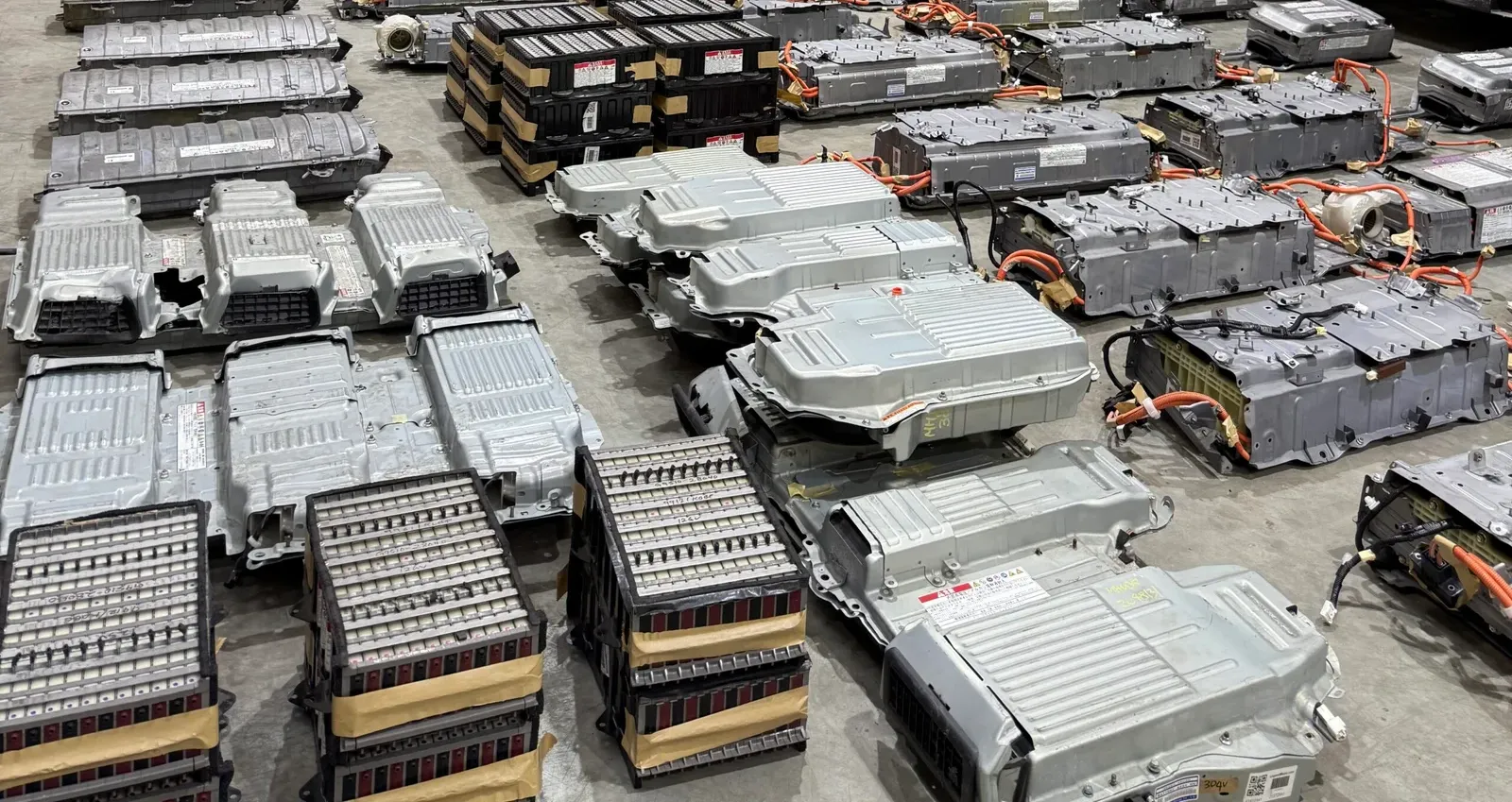
For used hybrid batteries, price and confidence are closely linked. Commercial buyers want to know whether units have been voltage-tested, inspected, and prepared for warehouse pickup or shipment. A transparent supplier explains this clearly.
3. Quantity-based logic
Bulk orders are rarely priced the same way as small-volume purchases. Whether the buyer is sourcing for workshops, export channels, or internal fleet use, it helps when the supplier explains how quantity affects pricing and lead time.
4. Model-specific availability
High-demand models such as Toyota Prius, Toyota Aqua or Yaris, Toyota Camry, and Lexus RX Hybrid can move quickly. Buyers benefit when suppliers are honest about where inventory is strong and where substitute options may be more practical.
5. Pickup or shipment readiness
In B2B, logistics are part of the real cost. A transparent supplier should clarify whether goods are ready for warehouse collection or can be prepared for export after payment confirmation.
How transparency supports repeat B2B orders
Repeat orders are rarely random. They are usually the result of low-friction buying experiences repeated over time. When a supplier communicates clearly, commercial buyers can build that supplier into their own operating process.
For example, a workshop ordering for recurring hybrid service demand wants to know that the quoting process will be fast, the battery condition will match expectations, and the next order will be just as straightforward. A distributor wants confidence that replenishment can happen without renegotiating every minor detail. An importer wants to know the supplier understands documentation, packaging, and shipping coordination.
Transparency creates this confidence because it removes surprises. It tells the buyer: this supplier is organized, this stock is real, and this relationship can scale.
That is one reason many commercial buyers now evaluate battery suppliers not only on product access, but on communication quality and process discipline. In a market where downtime is costly, a transparent supplier is a strategic partner.
Why sourcing process matters as much as pricing
Buyers are increasingly asking where batteries come from, how they are checked, and whether the supplier can support repeat volume. This is especially relevant for businesses buying used hybrid batteries in bulk.
Suppliers that source through trusted channels in Japan, inspect units carefully, and maintain business-ready stock in the UAE can offer a stronger value proposition than traders who simply pass along whatever inventory is available that week. The sourcing story matters because it affects consistency.
Hybrid Hive is a useful example of how this can work in practice. Based in Sharjah, the company focuses on wholesale supply for commercial buyers, not casual retail demand. Its model is built around tested, good-condition used hybrid batteries and related spare parts for businesses that need dependable stock access. That includes parts distributors, automotive workshops, resellers, importers, and fleet maintenance teams.
With more than 140,000 batteries supplied or processed and over 300 bulk orders supported, the company emphasizes a process that buyers can actually plan around: request submission by vehicle model, generation, quantity, and voltage requirement; fast availability checks; transparent quotations; alternative suggestions when needed; and organized warehouse pickup or shipment support. In practical terms, this kind of structure is exactly what encourages repeat ordering.
Using pricing transparency to strengthen your own business
If you are a workshop, distributor, or fleet operator, it is worth treating supplier transparency as a performance metric rather than a nice extra. Ask questions such as:
- Is the quoted price tied to confirmed stock?
- Has the battery been inspected and voltage-tested?
- Can the supplier support repeat quantities for my main vehicle models?
- Are lead times and collection or shipping terms clear?
- Will I receive fast alternatives if a requested model is temporarily unavailable?
These questions can save significant time and cost over multiple purchasing cycles. They also make it easier to compare suppliers on operational value rather than headline numbers alone.
For businesses handling hybrid vehicle demand, this is especially important when planning car battery replacement supply across multiple customers or locations. The right supply partner helps you maintain service quality while protecting your margins.
Transparency and sustainability can work together
There is also a bigger industry benefit to transparent used battery supply. When tested hybrid batteries are sourced responsibly and redistributed through a structured wholesale network, businesses can support a more practical circular economy. That means extending the usable life of automotive components while helping workshops and fleets access cost-conscious solutions.
But sustainability only becomes commercially viable when supply is trustworthy. Buyers need assurance on battery condition, sourcing quality, and repeat availability. In other words, environmental value and business value are strongest when backed by clear, transparent procurement practices.
The bottom line for commercial buyers
In the B2B battery market, price transparency is not just about avoiding confusion. It is a direct contributor to repeat orders, smoother operations, and stronger commercial relationships. Buyers return to suppliers who make planning easier, reduce risk, and communicate clearly about what is available and what it will cost.
For businesses sourcing hybrid battery inventory in volume, that kind of reliability can be the difference between constant procurement headaches and a stable supply pipeline. If your team is reviewing partners for future hybrid battery needs, it is worth looking at suppliers that combine tested stock, clear quotations, and organized fulfillment support. Hybrid Hive is one such resource for businesses that need commercially focused battery supply from the UAE with repeat-order capability in mind.

Happy
0 %

Sad
0 %

Excited
0 %

Sleepy
0 %

Angry
0 %

Surprise
0 %
 0
0
 0
0