
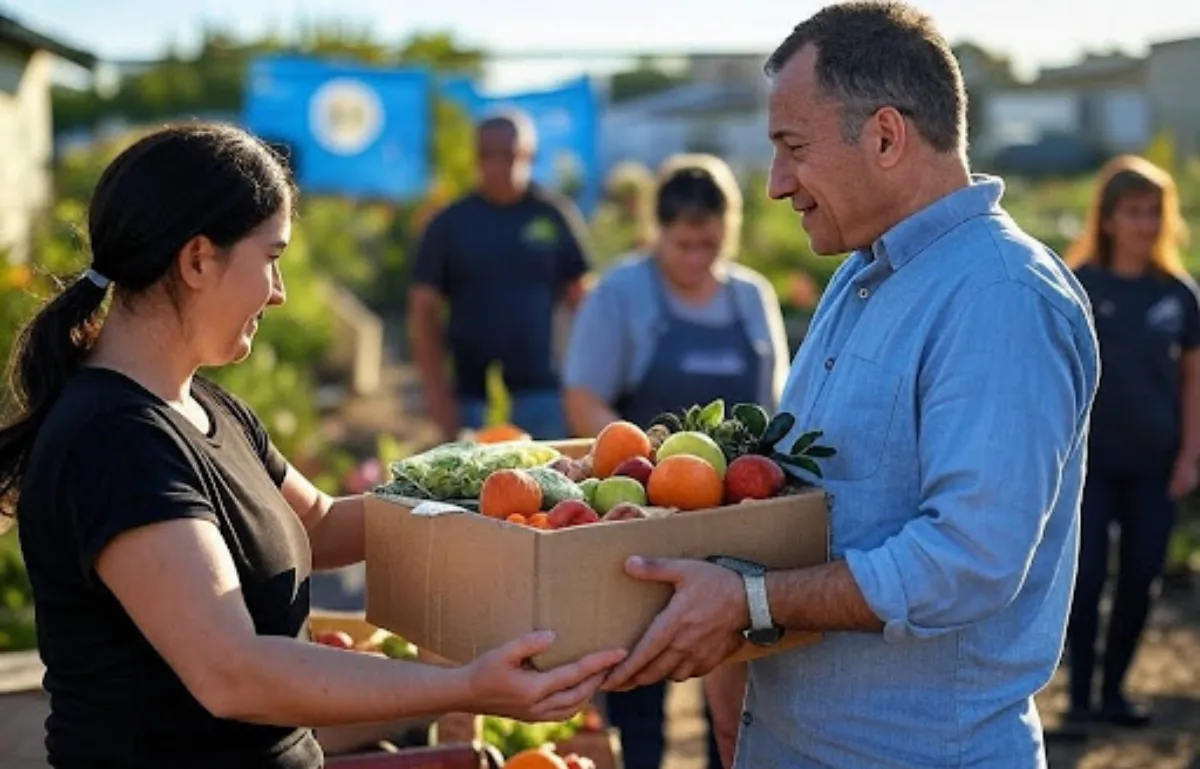
Future of Food Banks: How Innovation is Changing the Fight Against Hunger
Read Time:5 Minute, 3 Second
Food banks have always played a crucial role in feeding people who don’t have enough to eat. But with rising food prices, supply chain issues, and growing demand, traditional food bank systems are facing new challenges. The good news is that new ideas and technology are making food banks more efficient and effective. From better food distribution to new ways of collecting donations, food banks are adapting to meet the needs of communities more quickly and efficiently.
Technology is Helping Food Banks Serve More People
One of the biggest changes in food banks is how they track and distribute food. In the past, food banks relied heavily on paperwork and manual processes to sort and deliver food donations. Now, many food banks are using inventory management software that helps them:
✔ Track donations in real-time – Food banks can now see what items they have, what’s running low, and where more donations are needed.
✔ Reduce food waste – Expiring food can be identified and sent out quickly before it goes bad.
✔ Improve distribution – With better tracking, food banks can ensure that food gets to the places that need it the most.
These systems help food banks serve more people without wasting valuable food resources.
Online Food Donations Are Making Giving Easier
In the past, donating to a food bank meant buying extra groceries and dropping them off at a collection site. While food donations are still important, online giving has made it easier for people to help without leaving their homes.
Many food banks now allow people to donate money for food through their websites. This is helpful because:
✔ Food banks can buy exactly what they need – Instead of getting random items, they can purchase food in bulk at lower prices.
✔ It reduces waste – Some food donations may not always match what people actually need. By donating money, food banks can buy fresh produce, dairy, and other essential foods that aren’t often donated.
✔ It’s more convenient – A few clicks online can provide meals for families in need, without a trip to the store.
Some food banks even use mobile apps where donors can give small amounts regularly, making it easier to provide steady support.
Rescuing Surplus Food to Feed More People
Food waste is a huge problem. Every year, millions of pounds of good food are thrown away by grocery stores, restaurants, and food producers. Many food banks are now working with businesses to rescue surplus food before it goes to waste.
✔ Supermarkets & Restaurants – Some food banks have partnerships with grocery stores and restaurants to collect extra food that is still safe to eat but can’t be sold.
✔ Farmers & Food Manufacturers – Surplus produce or packaged food that doesn’t meet store standards (but is still good) is being redirected to food banks instead of landfills.
✔ Community Fridges – Some areas have set up refrigerators in public spaces where people can donate or pick up extra food that would have been wasted.
By saving this food, food banks can help more people while also reducing waste.
Food Banks Are Expanding Services Beyond Just Food
Many food banks are now offering more than just food. They understand that hunger is connected to other issues like employment, housing, and healthcare. Some food banks have started programs that include:
✔ Job training and employment support – Helping people gain skills to find stable jobs so they can afford food in the long run.
✔ Health and nutrition programs – Providing fresh produce, meal planning tips, and even healthcare referrals.
✔ On-site meals – Some food banks are setting up community kitchens where people can get a hot meal and support services.
These changes help food banks address the root causes of hunger, not just the immediate need for food.
Food Banks Are Reaching More People with Mobile Services
Not everyone can visit a food bank easily. Some people live far away, have no transportation, or have mobility issues that make it hard to pick up food. To solve this problem, some food banks are using mobile food pantries—trucks filled with food that travel to different neighborhoods.
✔ Bringing food to rural areas where grocery stores and food banks are not nearby.
✔ Delivering meals to seniors and people with disabilities who may not be able to leave their homes.
✔ Setting up at schools and community centers where families can easily pick up food.
By going directly to people in need, food banks are making sure that help reaches everyone, no matter where they live.
How You Can Help
Food banks rely on community support to keep running. If you want to make a difference, here’s how you can help:
1. Make a Food Donation
Food donations are always needed, especially items like:
✔ Canned goods (vegetables, beans, soups, meats)
✔ Dry foods (rice, pasta, cereal, oatmeal)
✔ Baby formula and diapers
✔ Healthy snacks (nuts, granola bars, dried fruit)
Check with your local food bank to see what items they need most before donating.
2. Donate Money for Food
A financial donation can go a long way. Food banks can buy food in bulk and stretch your dollar further than you might at the grocery store. Even a small amount can help provide meals for families.
3. Volunteer Your Time
Food banks need volunteers to help sort donations, pack food boxes, and distribute meals. Even a few hours of your time can make a big impact.
4. Spread the Word
Many people don’t realize how big the hunger problem is or how easy it is to help. Share information about food banks on social media, encourage friends and family to donate, and support community food drives.
Final Thoughts
Food banks are evolving to meet the growing demand for food assistance. With better technology, new ways to collect food donations, and expanded services, they are making a bigger impact than ever before. But they still need support from the community.
Whether you choose to donate money for food, give your time, or spread awareness, every effort helps fight hunger and bring food to those who need it most.

Happy
0 %

Sad
0 %

Excited
0 %

Sleepy
0 %

Angry
0 %

Surprise
0 %
 0
0
 0
0