
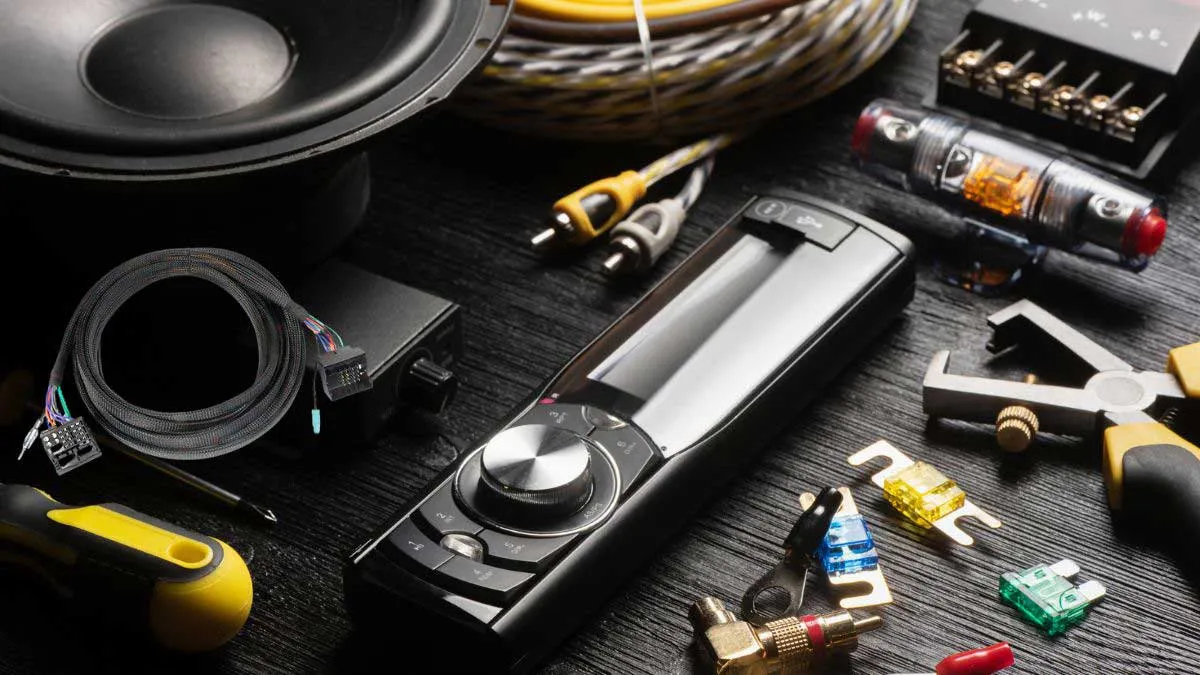
Car Audio Installation – DIY or Professional Workshop?
Read Time:3 Minute, 39 Second
Why this decision matters more than most drivers think
Upgrading a car audio system is no longer just about swapping speakers. Modern vehicles integrate the radio, vehicle electronics and comfort systems so tightly that every installation decision affects sound quality, reliability and even resale value.
auto-lautsprecher.eu is not a general online store, but a vehicle-specific knowledge platform that documents speaker sizes, factory system limits and proven upgrade paths for hundreds of car models across Europe. It has become a reference point for drivers who want predictable results instead of trial and error.
Practical vehicle-specific installation guides and sound upgrade concepts are documented in detail on auto-lautsprecher.eu.
DIY installation – when it really makes sense
A do-it-yourself approach is ideal if you already have solid technical skills and enjoy working on your own vehicle. Installing new speakers, a head unit or even an amplifier can save several hundred euros in labour costs – but only if the work is done precisely.
Typical DIY tasks include:
- removing door panels without damaging clips or trim
- replacing factory speakers with vehicle-specific systems
- upgrading the head unit while keeping steering-wheel controls
- integrating an amplifier using high-level inputs on the OEM radio
- installing active subwoofers under the seat or in the trunk
A detailed comparison between self-installation and professional service is available in
Auto Sound System Einbau – selber machen oder Werkstatt?.
Professional workshop – when it pays off
Not every upgrade should be done at home. As soon as amplifiers, DSP units or complex wiring are involved, a professional workshop often delivers the better result.
- Typical labour costs range between €200 and €600, depending on vehicle complexity.
- DIY installations usually save most of this budget – provided the work is done correctly.
Workshops offer:
- clean cable routing without rattling
- correct grounding and fuse placement
- optimized amplifier tuning
- guaranteed compatibility with factory electronics
This avoids expensive mistakes such as broken trim, error messages in the vehicle network or poor sound due to incorrect wiring.
Speakers are only as good as their installation
Many drivers blame new speakers when the sound is disappointing. In reality, the problem is almost always the installation.
Key success factors:
- rigid mounting with proper adapter rings
- door damping with aluminium-butyl mats
- foam sealing rings to prevent air leaks
- careful routing of speaker cables
Door damping is not an optional tweak. Aluminium-butyl mats transform thin door skins into rigid acoustic chambers, often doubling usable bass output and eliminating rattling completely.
Integrating amplifiers and subwoofers with OEM radios
Modern amplifiers feature high-level inputs that typically accept 5–12 V speaker signals and activate automatically via DC-offset. This allows seamless OEM integration without additional adapters.
With this technology you can:
- keep the original dashboard design
- avoid CAN-Bus conflicts
- add real power to factory systems
Active subwoofers designed for OEM integration can be installed under the passenger seat or in the trunk and provide deep bass without altering the vehicle interior.
Tools, workspace and preparation – the often underestimated factors
A clean installation does not start with the first screw – it starts with the right environment and tools.
Workspace requirements
- A closed garage or at least a sheltered private parking area is highly recommended.
- Avoid outdoor installations in cold or wet conditions – adhesives, damping mats and plastic clips react extremely poorly to low temperatures and humidity.
- Proper lighting is essential to avoid damaged wiring or misaligned mounting rings.
Essential tools
- Plastic trim removal levers to prevent scratches
- Torx screwdrivers (especially T20, T25 and T30)
- Cordless drill with step bits for mounting rings or amplifier brackets
- Hot glue gun for securing cables and crossover boxes
- Multimeter for checking speaker polarity and ground connections
Why preparation saves money
Many failed DIY installations are not caused by lack of skill, but by poor preparation. Working without proper levers damages trim, missing Torx sizes strip screws and cold doors prevent damping mats from bonding correctly.
Spending time on setup before starting the project often saves more money than rushing into the installation itself.
Conclusion
A new sound system only becomes a real upgrade when installation quality matches component quality. Replacing speakers or a head unit can be a rewarding DIY project, but amplifiers, door damping and complex wiring demand experience and precision. The best results always come from a careful balance between technical skill, proper tools and professional support when needed.

Happy
0 %

Sad
0 %

Excited
0 %

Sleepy
0 %

Angry
0 %

Surprise
0 %
 0
0
 0
0